
Should you live in Bali as a digital nomad in 2026? In 2024, Bali welcomed around 16.4 million visitors, both domestic and international. Yet deciding to live in Bali as a digital nomad is very different from coming for a two-week holiday
In 2024, Bali experienced a 40% increase in the number of digital nomads residing there. On estimation, over 3,000 digital nomads now live in Bali. This trend began in the 2010s, when high-speed internet began to reach smaller towns and suburbs in Bali. If you move your income and routine here, small details like living costs and internet speed become major risks.
That’s why this discussion matters now. Before you commit, you need clear expectations about cost of living in Bali, housing in Bali, internet speed Bali, Bali coworking spaces, and even how wellness retreats Bali and everyday Bali travel tips fit into your finances and mental health.
Making those decisions with real data creates a significant difference between a sustainable base and an expensive reset six months from now, especially once rent in Bali and long-term commitments lock you in.

#1 Understanding the Cost of Living in Bali as a Digital Nomad
The cost of living in Bali can feel very affordable or surprisingly high, depending on whether you live more like a local or stick to tourist-heavy choices. A simple, local-style lifestyle costs around $750 to $1,000 per month for basic accommodation, food, and transport.
Meanwhile, to afford a more immersive lifestyle with occasional leisure activities and dining out, you will most likely spend $1,500 to $2,000 in a month. A more luxurious lifestyle with frequent entertainment and high-end accommodation will cost you more, at least $3,000 per month.
However, this budget also flexes by area and season. Canggu/Seminyak and beachfront zones tend to cost more than Tabanan or more local neighborhoods, and prices can spike in peak season as owners and real estate agents in Bali adjust rates to demand.
Learn more about housing prices in our previous article.
On a basic budget, you might spend roughly:
- Rent in Bali (guesthouse/homestay room): USD 250–400
- Local meals (warungs): USD 150–250
- Scooter + fuel: USD 60–100
- SIM, Wi-Fi, laundry, essentials: USD 50–80
- Occasional yoga, drinks, or events: from USD 100+
- Coworking passes, gyms, and weekend getaways sit on top of this.
For a mid-range lifestyle:
- Long-term rental Bali private apartment, simple villa, or co-living: USD 500–1,000 (often incl. internet)
- Dining out (local + Western): USD 300–500
- Transport: USD 60–100
- Gym/yoga: USD 100–200
- Social life, shopping, weekend trips: from USD 300+
For a premium lifestyle (roughly USD 2,500–6,000+), expect a designer villa for housing in Bali with pool and staff (USD 1,500–4,000+), international restaurants and bars, premium transport, spa, parties, and regional weekend trips.
Across all tiers, prime areas like Canggu, Seminyak, Uluwatu, and central Ubud sit at the higher end of the cost of living in Bali. Meanwhile, more local areas offer more value, especially outside peak tourist seasons.

#2 Bali coworking spaces and Internet Speed Bali for digital nomads
For anyone who wants to live in Bali as a digital nomad, internet speed is not a “nice to have,” it’s your lifeline. Your income depends on stable Zoom calls, syncing files to the cloud, and uploading content.
As of November 2024, Indonesia’s average download speed for fixed broadband is 32.05 Mbps, while the upload speed is 19.87 Mbps. Meanwhile, for mobile internet, the download speed is 29.06 Mbps, and the upload speed is approximately 14 Mbps. The internet speed Bali is workable, among the highest in Southeast Asia.
At housing in Bali, Wi-Fi quality depends heavily on the provider and building. Villas and guesthouses can vary, ranging from 3 Mbps to 50 Mbps, so you should always test speeds before renting in Bali or signing any long-stay deal with owners or real estate agents Bali.
Most digital nomads will choose a cafe and a coworking space to work daily. Day passes range from USD 9-18 (IDR 150,000–300,000) while monthly memberships cost USD 150-240 (IDR 2.5–4 million).
The 5 best Bali coworking spaces for digital nomads include:
- Genesis Creative Centre
- ZIN@Work
- Tribal Bali Coworking Hostel
- Outpost Coworking Space
- Puco Rooftop
For day-to-day resilience, get a local SIM with a generous data plan and use it as a hotspot whenever Wi-Fi or power drops. We recommend you choose Telkomsel, since it offers a top-quality internet speed Bali and a choice between data only and calls and data packages.
As a cheaper alternative, we also recommend XL Axiata, especially if you live in Badung and Denpasar. However, if you live in Ubud, we won’t recommend you to use this provider since its coverage in this area is still patchy.
Overall, the most reliable internet is usually found in established hubs, including Canggu, Berawa, Pererenan, parts of Seminyak, and central Ubud. These areas also sit at the higher end of the Bali property market.
Remember, always confirm provider, recent speed tests, and backup options before committing to long-term housing!
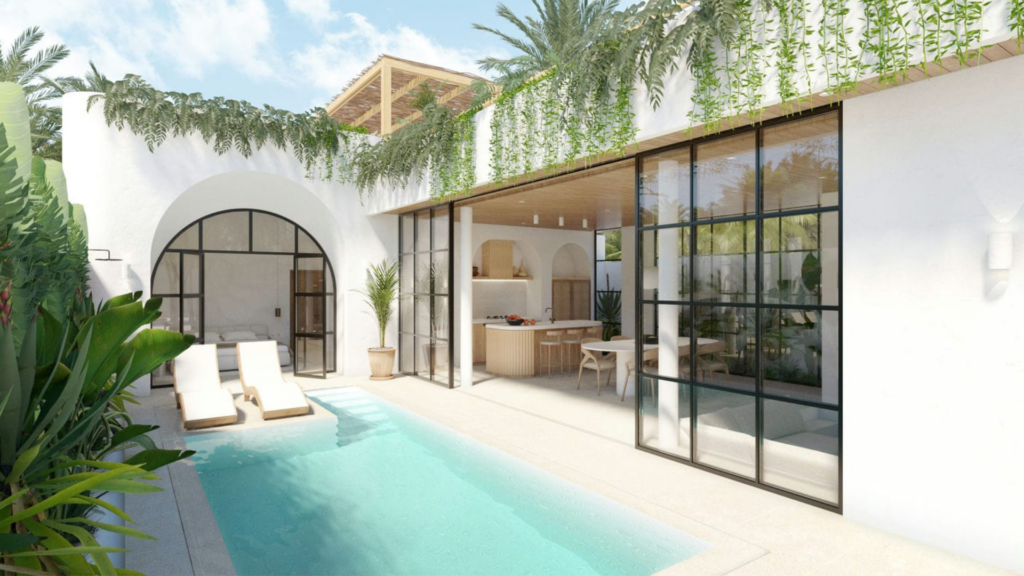
#3 Housing in Bali: Where to Stay and How to Rent in Bali Long-Term as a Digital Nomad?
As a digital nomad, you’ll find several types of housing in Bali:
- Kost or flat, or guesthouse rooms,
- Studio apartments,
- Modern coliving spaces, and
- Private villas with shared or fully private facilities for long-term rental Bali.
Monthly rents can start from around USD 250–400 for a simple room and go into USD 1,000+ for mid-range villas in popular areas
Learn more about housing prices in our previous article.
Your choice depends on budget, privacy, and work style.
Need quiet and your own office corner? A studio or private villa works better.
Want a social environment and plug-and-play setup? Coliving spaces near Bali coworking spaces can be ideal.
Location then shapes your lifestyle and cost. For instance, Canggu offers surf and cafés, Seminyak brings shopping and nightlife, and Ubud focuses on nature and wellness
To avoid guesswork and random listings, use a trusted online platform like IndoProperty Hub to compare vetted options, check what’s included, find a home with the best prices, and connect with reliable owners or real estate agents Bali through a simple interface.
Always confirm Wi-Fi quality, distance to coworking spaces, and contract and deposit terms on the platform before paying anything upfront.
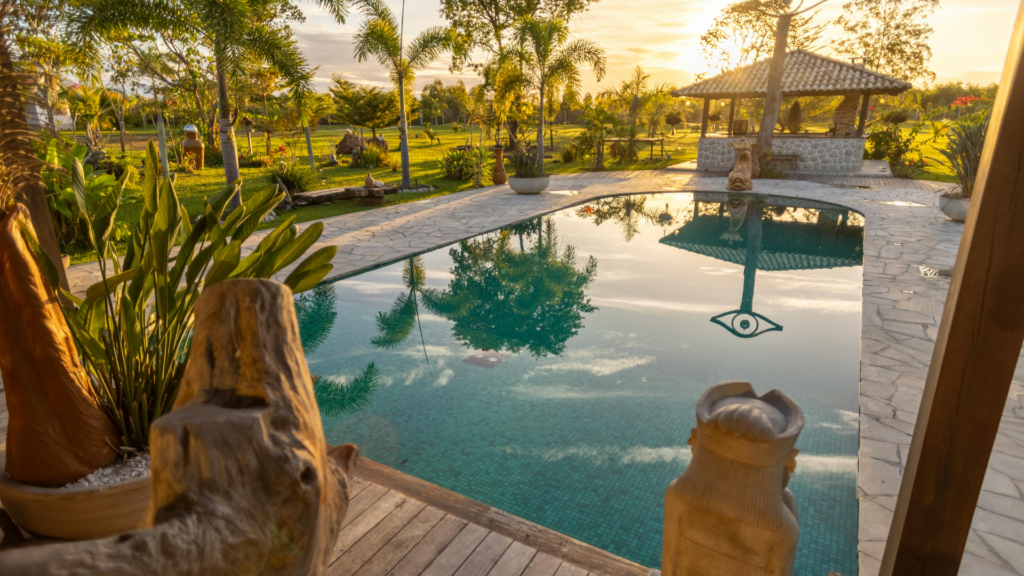
#4 Exploring Wellness Retreats Bali
For many people who live in Bali as a digital nomad, wellness retreats are one of the island’s biggest perks. Long hours on laptops can easily lead to burnout, and Bali’s retreat culture offers a structured way to reset, heal, and build healthier routines.
The global wellness tourism market itself reached USD 954.11 billion in 2024 and is projected to reach over USD 1.68 trillion by 2030, showing how quickly this segment is growing.
You’ll find wellness retreats Bali built around yoga, meditation, detox programs, breathwork, ice baths, and surf-and-wellness packages aimed at remote workers from around the world.
In Bali, Ubud is known for the jungle, rice fields, and spirituality. Canggu blends modern studios and cafés near the beach. Uluwatu adds dramatic cliffs and ocean views, each area with retreat options at different price points, from simple eco-stays to premium resorts
For digital nomads, a well-timed retreat can reduce stress, improve sleep and focus, and create deeper friendships than quick chats in coworking kitchens.
If you plan to join regularly, it’s worth renting in Bali near your preferred wellness hub, and using platforms like IndoProperty Hub to find housing in Bali that keeps you close to studios, retreat centres, and nature while still connected to the main Bali property market zones.
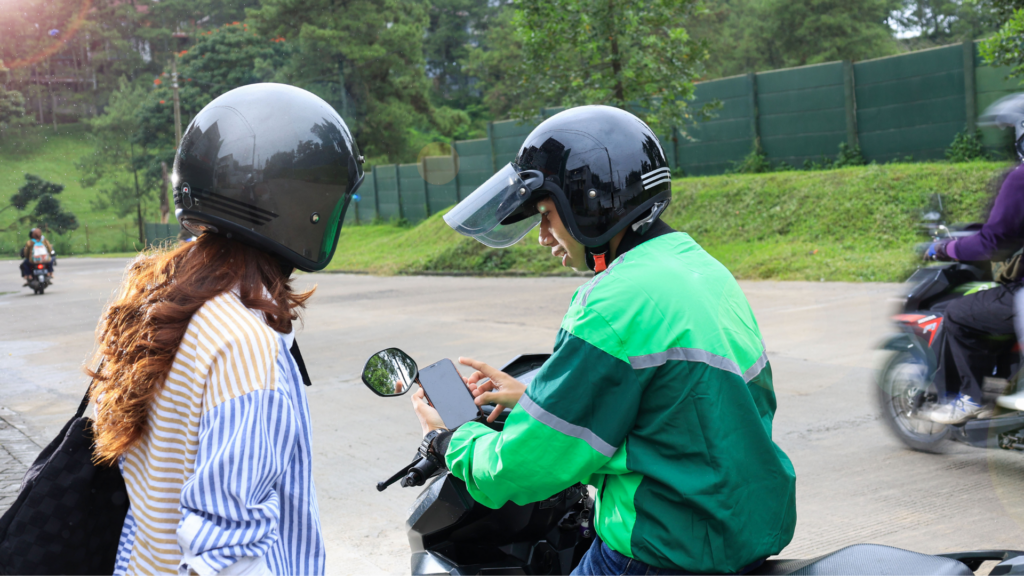
#5 Transport & Rent Scooter Bali: Bali Travel Tips for Digital Nomads
Before you live in Bali as a digital nomad, make sure your visa and insurance are in order. Overstays are fined at approximately USD 60-70 (IDR 1,000,000) per day, and immigration takes status seriously.
Long-stayers usually combine tourist visas, social/cultural visas, or long-stay options arranged through licensed agents.
Good travel or international health insurance is essential in Bali. Top health risks include Bali motorbike accidents, surfing or diving injuries, dengue, and food allergies.
As hospital care for accidents or dengue can quickly become expensive, invest around USD 60 per month in health insurance. Some healthcare insurance recommended in Bali are Genki and SafetyWing.
On the ground, daily life is simple if you set things up early.
- Cash is still widely used, but ATMs are easy to find in main areas. Cards work in most cafés and coworking spaces.
- Get a local SIM (Telkomsel, XL, Indosat) with a generous data plan for maps, ride-hailing, and hotspot backup.
- Download ride-hailing apps like Gojek and Grab for easier mobility if you don’t rent scooter Bali
Always wear a helmet, drive slowly, and avoid riding if you’re not confident. Choosing a walkable, central location when renting in Bali can reduce risk and commuting time.
Culturally, small gestures go a long way. Dress modestly in temples, don’t disturb ceremonies, keep late-night noise down in local neighborhoods, and learn simple Bahasa Indonesia phrases like “terima kasih” (thank you) and “permisi” (excuse me).

#6 Building a Community Through Online Networking, Bali Coworking Spaces, and Other Offline Meetups
When you live in Bali as a digital nomad, community is not a bonus. It’s your support system.
Fully remote workers report a higher level of loneliness (25%) than office workers, creating devastating effects on physical and mental health. Having people to share knowledge, surf days, and visa questions with makes it easier to feel at home.
Start with environments built for connection:
- Bali coworking spaces,
- Expats communities in Bali
- Skill-share meetups,
- Language exchanges, and
- Sports groups like surf, padel, or yoga.
Many Bali coworking spaces in Canggu, Ubud, and Seminyak host weekly events, talks, or community dinners aimed at nomads and local entrepreneurs.
Online, Facebook groups, Meetup, and WhatsApp/Telegram chats help you find events, housing leads when renting in Bali, and niche communities (founders, creators, developers). Coworking event calendars are also useful to plan your week around talks and socials.
Some networking events are also listed through Facebook Groups, such as:
The key is to show up consistently. Ask questions, offer your skills, volunteer to help, or even host a small dinner or coworking session at your villa. That’s how casual introductions turn into long-term friendships and a network you can rely on, both personally and professionally.
Is It Right to Live in Bali as a Digital Nomad in 2026?
Deciding to live in Bali as a digital nomad is a big move, not just a change of scenery.
Understanding the cost of living, realistic internet options, the main types of housing in Bali, wellness opportunities, everyday Bali travel tips, and how to build community gives you a clear picture of what life here actually feels like long-term.
With that clarity, Bali can become a sustainable, enjoyable base instead of an impulsive holiday extension. When you plan your budget, test Wi-Fi, choose areas that fit your work style, use wellness retreats to manage stress, and invest time in community, you reduce risk and protect both your income and wellbeing.
Start Your Bali Digital Nomad Life the Safe Way
If you’re serious about making Bali your base, don’t leave housing in Bali and long-term rent in Bali to guesswork or random Facebook posts. The right home is what makes it sustainable to live in Bali as a digital nomad, not just fun for a month.
With IndoProperty Hub, you can find safe, verified long-term rentals matched to your budget and area, compare options on a secure online platform, and connect with vetted local agents and service providers.
You also get transparent data on prices, offers, and property details, so you stay in control of every decision. The best part is, it’s FREE OF CHARGE!
Through Indo Property Hub, renting in Bali becomes safer, easier, and less stressful from the first search to the day you move in.
Start planning your move today: browse trusted listings or request a FREE consultation via IndoProperty Hub.
Frequently Asked Questions (FAQ)
Is Bali good for digital nomads in 2026?
Yes, Bali is still one of the most popular places to live in Bali as a digital nomad, with strong expat communities, cafés, and Bali coworking spaces in areas like Canggu, Ubud, and Seminyak.
How much does it cost to live in Bali as a digital nomad?
The cost of living in Bali depends on lifestyle, ranging from USD 750 to USD 6000 per month. You can live simply on a local-style budget or spend more for a premium lifestyle with private villas, gyms, retreats, and frequent travel.
Which areas are best for digital nomads?
Canggu, Berawa, Pererenan, Ubud, and parts of Seminyak are favourites thanks to coworking spaces, good cafés, and walkable neighbourhoods. Don’t forget to rent scooter Bali for easier mobility.
What visa options are available?
Most people who live in Bali as a digital nomad combine tourist visas, social/cultural visas, or long-stay options arranged through licensed agents. Always confirm with an official or visa consultant.
Do I need insurance to live in Bali as a digital nomad?
Yes. Health and travel insurance are strongly recommended to cover accidents, illness, and motorbike-related risks while you rent in Bali long-term.