Avoiding Luxury Villa Scam in Bali: Essential Tips

Australians book luxury villas in Bali for family trips, birthdays, and quick “escape” weekends. A luxury villa scam in Bali can turn that excitement into a lost deposit, especially when a host pushes urgency and private payment.
Bali’s demand makes the pressure feel real. In December 2025 alone, BPS Bali recorded 572,668 tourist arrivals, up 18.48% month-on-month, with Australians the largest share at 24.62%. When dates tighten, scammers know travellers move faster.
This is why property scam tactics cluster around higher budgets and short timelines. ABC reported Australians allegedly transferring more than $120,000 for a Bali villa “that didn’t exist”. The same playbook shows up in rental property scams and broader property fraud, from cloned listings to bank-detail “updates”.
In the next sections, you’ll learn how to verify a luxury villa rental Bali listing fast, confirm who controls the villa, and choose safer payment steps that reduce exposure to AI bank scam property Australia impersonation tactics. For instance, AI voice cloning, deepfake videos, and AI-generated phishing scams.
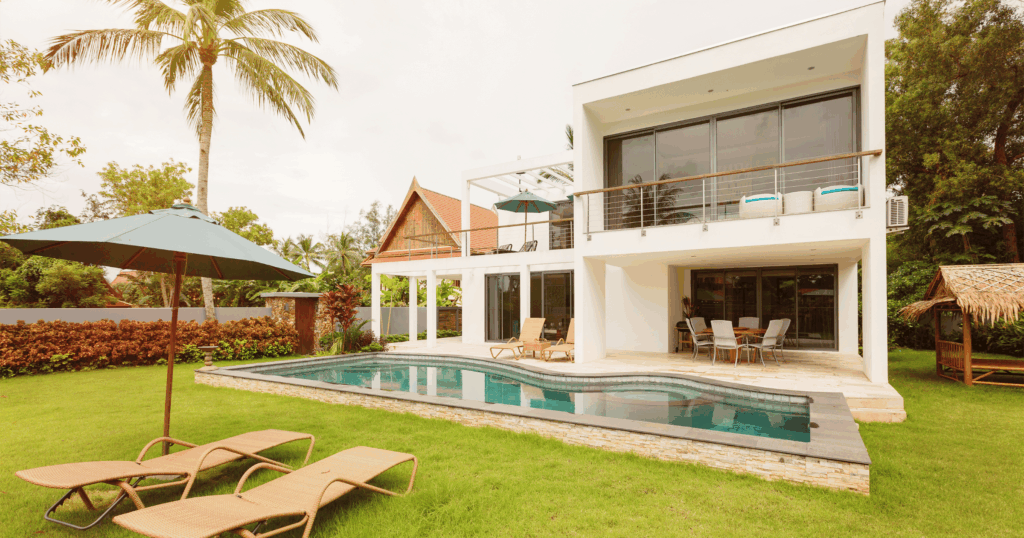
Understanding Luxury Villa Scams
The Rise of Luxury Villa Rentals in Bali
Demand has surged, and so has the noise around luxury villas in Bali. Bali recorded a high number of visitors, which fuels short-stay demand and pushes inventory “online-first”.
That speed creates space for fake operators in the Bali property market. Scams now spread through Instagram DMs, WhatsApp, cloned websites, and copied listings that look like a real luxury villa rental Bali page, until payment time.
As mentioned above, credible reporting shows how high-value fraud works. Two Australians allegedly transferred more than $120,000 for a luxury villa in Pererenan and got scammed with a Bali villa that “didn’t exist”. In this case, the scammer was promising $1,300 monthly earnings for $66,000 villa investment
The Allure and Risks of Bali Luxury Villas
Here’s the gap between what travellers expect from Bali luxury villas and what scammers exploit.
| What people expect | What scammers exploit |
| Privacy | “Private booking” pushes you off-platform |
| Exclusivity | Fake “VIP” access and curated influencer-style posts |
| Urgency | “Only 2 nights left” to stop verification |
| Premium service | Staged photos and scripted concierge chat |
| Smooth payment | Pressure to pay by transfer to “secure dates.” |
Bali’s villa association (BVRMA) has recorded at least 101 victims of villa rental fraud in 2025, with losses reaching “hundreds of millions of rupiah,” driven by stolen villa photos and credibility tricks like boosted follower counts.
Common Signs of Property Scams
These warnings apply to property scams, property fraud, and rental property scams in both short-term and longer renting in Bali decisions.
Act fast when you see this
- Off-platform payment requests (Airbnb flags payment-off-platform as a common scam pattern).
- Screenshots instead of verifiable links, contracts, and invoice details
- No live video walkthrough matching the pin location and key features
- Refusal to confirm who manages check-in (use real estate agents bali or verified operators to validate control)

Types of Scams Related to Luxury Villas
Rental Property Scams
In the Bali property market, fraud often looks “professional” until the payment step. In addition to the BVRMA report, Bali.live reported over 100 open cases tied to fake villa bookings, and noted a single booking can cost 10 million to hundreds of millions of rupiah.
Use this checklist before you pay (especially for luxury villa rentals bali indonesia)
- Proof of control, manager name, and staff contact for check-in
- Written booking terms + cancellation policy (not a DM screenshot)
- Proper invoice with legal entity details
- Safer payment method, and “what happens if dates change.”
Red flags include full deposits demanded, refusal to issue invoices, and bank details changing mid-chat (classic rental property scams behaviour).
Nusa Lembongan Luxury Villas – A Hidden Trap
Nusa Lembongan luxury villas are easier to fake because there are fewer well-known operators and fewer “reference points” to cross-check quickly.
In one case, a traveller booked a private villa in Nusa Lembongan, Vila Shambala, via Booking.com. However, she is being taken to a different property on arrival, Sunset Villa. After raising a complaint, she got taken back to her initial villa, but she is pressured to pay cash and not report it to Booking.com.
Therefore, to anticipate this, verify first:
- Exact location pin and exterior match on live video
- Very recent guest proof (not old reposted photos)
- Who handles check-in, and their ID or company profile
The Allure of Villa Bali Seminyak Luxury
Seminyak feels “safe” because it’s familiar, so people skip checks. In December 2025, BPS Bali recorded 60.88% star-hotel occupancy and 39.61% non-star hotel occupancy, which makes “limited dates” pressure sound believable.
However, always verify your Villa Bali Seminyak luxury booking. Because possibly Villa Bali Seminyak luxury listing uses photos scraped from another property, it offers a discount “if you book direct,” then moves the conversation to WhatsApp and pushes a bank transfer. This pattern might mirror common holiday-fraud tactics that happened in Greece, as described by the Guardian.

Fake Listings and Phantom Villas
Fake listings scale because photos, descriptions, and calendars are easy to copy. In Australia, ABC reported cases where owners found cloned listings on Booking.com that copied their Airbnb content, and got confused when the guests arrived because they never accepted the booking.
For Australians, the numbers show it’s not rare. Overall, Scamwatch received 363 reports mentioning Booking.com in 2023, with losses of over AU$337,000, an almost 600% increase from 2022 (53 reports).
Specifically in Indonesia, this is how clones usually work in the Bali property market
- Scraped villa photos, then reposted under a new “operator” account
- A re-uploaded listing page with a copied layout and fake availability
- Off-plan angle: recycled “construction updates” to sell credibility
Practical checks before you pay
- Reverse image search the hero photos
- Cross-check the map pin against landmarks and street context
- Ask for a live video walkthrough that shows the entrance, street, and key rooms
- Don’t accept a screenshot as proof. Only treat a verifiable listing URL and invoice as real signals
Payment Fraud Tactics
Watch for fake escrow, fake invoices, and “bank verification” calls. Australian banks warn criminals are using AI for impersonation, including voice-clone style pressure.
Therefore, refer to this secure payment order:
- Verify identity → verify control → confirm invoice → pay through secure methods
- If bank details change, stop and re-verify on a known number (not the chat thread)
Recent Investment Frauds in Australia Relating to Bali
The investment-scam playbook Australians see at home often shows up in Bali villa pitches, just repackaged as “exclusive” access to the Bali property market. The goal is the same to push you to transfer money before you can verify control, contracts, or real project progress.
Red flags to treat as deal-breakers for any villa “investment.”
- “Guaranteed returns” or fixed ROI with no independent audit trail
- Urgency and “exclusive allocations” that punish due diligence
- Informal contracts, unclear ownership structure, or “sign now, details later.”
- Pressure to pay by bank transfer, especially if details change mid-process
For high-value deals, add independent legal review and local verification through real estate agents Bali before you commit funds.

How to Identify a Genuine Luxury Villa
Researching Luxury Villas in Bali
The Bali property market is crowded, so your goal is consistency, not “trust.” Colliers reports Bali had 58,854 hotel rooms across 523 hotels as of Q2 2024, showing how dense the accommodation market is.
Use this 2-source verification flow for luxury villas in Bali and luxury villa rental Bali:
| What you check | What “good” looks like | What “risky” looks like |
| Listing presence | The same villa appears in 2 sources with matching details | Only exists on DMs or a new website |
| Operator identity | Same company name, number, and email across channels | Multiple names, “assistant” accounts, no business trail |
| Photos + amenities + pin | Photos, amenities list, and location pin match | Photos look premium, but map/amenities don’t align |
On Indo Property Hub, start browsing luxury villa in Bali. For a “transparent luxury” benchmark, reference Waits Estates Villa Uluwatu property on the website, which documents facilities like a theatre room, gym, sauna and cold plunge, smart home features, gated access, and high ceilings.
Questioning the Legitimacy of Offers
Don’t ask, “Is this legit?” Ask for proof that can be verified. Here we’ve listed a quick question script and what kind of answer you can expect for a legitimate offer
First, ask “Who is the legal owner or authorized manager, and what document proves you can rent it?” By asking this, you should receive a management agreement or a clear authorization trail.
Second, ask “What is the full address and location pin you want guests to use for arrival?” They should give you a pin and a matching exterior on live video to answer this question.
Third, ask, “Can you send an itemized invoice with cancellation terms and payment steps?” This question will protect you from possible inconvenience in the future. Because you’ll get an invoice with entity details + cancellation terms
If they avoid documents or give vague answers, treat the silence as the answer. Use real estate agents Bali to confirm who controls the property, especially for high budgets or longer renting in Bali.

Verifying Luxury Villa Design
Design details expose fakes because real builds leave a consistent trail. Materials, joinery, bathroom fittings, and lighting plans should match across photos, walk-through, and spec notes.
Real luxury villa design is harder to fake because it shows systems, not just staged photos. Waits Estates Villa positions “transparent luxury” with features like premium materials, high ceilings, smart home features, and private amenities (theatre room, gym, sauna/cold plunge).
WEV also specifically provides operational upgrades for a more luxurious lifestyle. A three-stage water treatment system (not just bottled water), plus integrated home tech that matches the villa’s premium positioning
Credibility also comes from who builds it. Waits Estates Villa Uluwatu by Paralian Uluwatu build credibility through its contractor track record, with JKS Construction known for projects like The Apurva Kempinski Bali and The Ritz-Carlton Nusa Dua.
However, if you need any quality check before committing off-plan luxury villa, you can always hire a construction consultant as a smart “sanity gate” before you pay stage-by-stage.
Contact us, and we will refer you to the best construction consultant in Bali

Tips to Avoid Scams
Utilizing Trusted Platforms for Villa Rentals
Start with safer pathways:
- Reputable booking platforms,
- Verified operators,
- Written invoices, and
- Clear cancellation policies.
If someone pushes you off-platform, treat it as a property scam risk, not a “better deal.” Airbnb explicitly warns about paying outside the platform and explains what’s allowed vs risky.
Off-plan or “book early” offers can be fine, but only when verification gets stronger. If you’re asking where can i find luxury villas in Bali, use Indo Property Hub’s villa listings as a curated starting point, and look at Paralian Uluwatu as a reference for a more structured, developer-led approach. For building claims, finishes, and construction checks, contact us, and we will refer you to a construction consultant as your quality gate.
Utilizing Reviews and Ratings Effectively
Scamwatch reports social media is the most common contact method leading to financial loss, with 7,724 reports and $69.5 million in losses in 2024.
Do a fast review and sanity check
- Look for recency + specific details (staff, check-in, location)
- Watch for review “dumps” and identical phrasing
- Be cautious if there are no negatives and no guest photos
The Importance of Direct Communication
Direct communication reduces property fraud risk when you control the process. Before paying for any luxury villa rental bali stay (or longer renting in Bali), request a live video tour, confirm the exact address pin, and confirm who meets you on arrival.
There is a common mistake you should avoid, including moving to WhatsApp too early, before verifying the company’s identity. If bank details change, stop immediately. Later, re-verify via an independent channel or through real estate agents Bali you can validate.

What to Do If You Fall Victim
Reporting the Scam: Local and Online Resources
Move fast. The earlier you act, the higher the chance your bank can pause or recall funds. Australia’s National Anti-Scam Centre reported that combined scam losses fell 25.9% to $2.0 billion in 2024 from 2023, but the volume is still high, and speed still matters.
To report a scam, you have to do this in order:
- Collect evidence: transaction IDs, chat logs, listing URLs, bank details, and any ID copies they used
- Notify your bank immediately and ask for a recall or dispute
- Report to the booking platform, then lodge reports with Scamwatch and ReportCyber
- In the Bali context, file a local police report (tourist police contacts can help you start).
Legal Actions Against Property Fraud
Legal help can formalize a claim, draft demand letters, and guide local reporting for property fraud. It usually cannot recover money “instantly,” especially after bank transfers.
Watch for recovery scams. The AFP warns that criminals have several times impersonated authorities and pressured victims into making new payments.

Secure Your Dream Villa in Bali
Verify first, pay second, and never rush under pressure. That single rule protects you from most property scam tactics in the Bali property market.
Scammers win when budgets are high and timelines are tight. AirDNA estimates Bali has 84,428 active vacation-rental listings, with ~46% average occupancy across Airbnb and Vrbo. This means a large market with constant turnover, where fake listings can blend in and “dates are filling” claims sound plausible.
The safest path is consistent every time
- Use trusted platforms or documented operators
- Demand written invoices and clear cancellation terms
- Confirm control with a live walkthrough and the exact location pin
- For off-plan or high-value stays, add a quality check before stage payments
If you want a calmer starting point, explore verified luxury villas in bali on Indo Property Hub and compare options in one place. Start here!
You can also review premium references like the WEV villa listing and, once your checklist is complete, connect with vetted partners of Indo Property Hub for construction checks, finishes, and build claims. If you need local support, use our directory to reach real estate agents Bali and related services through a secure, transparent platform.

FAQ
Is it safe to book luxury villas in Bali through Instagram or WhatsApp?
It can be, but only after you verify the operator’s identity and confirm the villa through independent proof. Treat DMs as “marketing,” not verification, especially in the Bali property market.
What are the biggest red flags before paying a villa deposit?
Urgency, bank detail changes, refusal to video call, and no invoice or written terms. If they push you off-platform, assume property fraud risk until proven otherwise.
How can Australians report a Bali villa scam quickly?
Start with your bank and the booking platform, then file reports with Scamwatch and ReportCyber. In Indonesia, you can file an official report by going to a police station near me or contact “110” as local police emergency number.
How do I verify a villa exists and matches the listing photos?
Request a live video walkthrough, confirm the map pin and full address, and cross-check photos against at least one independent source. If they only send screenshots, stop.
Should I use a construction quality consultant for off-plan or long-stay villas?
Yes, for high-value decisions, especially off-plan, because build quality and finish claims are easy to overstate. A third-party quality gate reduces “expensive surprises.”
Can “investment” villa offers be scams even if they look professional?
Yes. Polished branding is common in scams, so verification and independent legal review matter more than presentation.
How do I confirm the person I’m paying actually controls the villa?
Ask for proof of management rights, then match it to a live walkthrough that shows the property and arrival route. If control can’t be proven, don’t pay.
Is it safer to pay by credit card than by bank transfer?
Often, yes, because cards may offer dispute pathways. Bank transfers are harder to reverse once sent, which scammers rely on.
What should a legitimate villa invoice include?
Full business identity, property details, stay dates, itemized charges, cancellation terms, and a payment reference that matches the booking. If they refuse an invoice, treat it as a deal-breaker.
What if the host asks me to cancel the platform booking and pay directly?
Treat it as high-risk unless you can independently verify the operator and the “discount” isn’t the real motive. Platforms warn that off-platform payments reduce protections.
How can I check if villa photos are stolen from another property?
Run reverse image search, compare unique features (views, tiles, door layouts), and request a live walkthrough showing those exact details. Stolen photos usually fall apart on real-time proof.
What deposit amount is normal for a luxury villa booking?
There’s no single standard, but pressure to pay a large deposit fast is a warning sign. A legitimate operator will give written terms and a clear payment schedule.
What if the bank details change after I’ve already paid a deposit?
Stop immediately and verify through an independent channel, not the same chat thread. “Account changes” are a common payment-fraud tactic, including AI bank scam property Australia style impersonation.
Can travel insurance cover a villa scam?
Many policies exclude scams or voluntary transfers, so check your policy wording. Keep every document and message if you plan to claim.
What should I do if I arrive and the villa is not the one I booked?
Document everything on arrival, contact the platform or payment provider immediately, and escalate before accepting any “replacement deal.” Quick action protects your dispute options.
How can I verify a villa’s real location in Bali?
Cross-check the pin with nearby landmarks, request a current location video, and validate travel time claims. If they avoid the exact address, treat it as a red flag.
Are “guaranteed returns” villa investment offers a red flag?
Yes. Guarantees plus urgency often signal manipulation, especially without independent legal review.
What should I verify before considering an off-plan villa deal?
Developer track record, build specifications, staged payment milestones, and independent quality checks before each stage are paid. If proof is missing, don’t “reserve” out of fear.
Is using escrow a good idea for high-value villa payments?
Only if it’s a reputable escrow provider that you can verify independently, avoid random “escrow links” sent over chat.
How do I avoid scams when booking for a wedding or event?
Event bookings attract higher deposits, so insist on written terms, clear refund conditions, and verified operator identity. If needed, use real estate agents Bali via Indo Property Hub’s directory to validate who’s accountable.

Many Australians consider investing in property abroad for lifestyle upside and portfolio diversification. Overall, Australian investment abroad has risen from 326.9b USD in 2023 to 4,970.6b USD in 2024.
Buying property overseas can work, but only when the numbers, rules, and on-the-ground reality line up. Therefore, this article will cover one area recommended for overseas property investment from Australia.
We’ll use Indonesia, especially Bali, as the most common target market Australians ask about, so the mistakes feel practical. In 2025, Antara recorded 6,948,754 direct foreign arrivals in Bali, signalling a high demand and ROI potential on overseas property investment from Australia.
The opportunity for property investment in Indonesia is wider than holiday rentals. Australians often look at leasehold villas, retirement homes, and property tied to business expansion, which changes how you should model risk and cash flow.
This guide breaks down 4 common mistakes people make when they invest in property abroad, and each one ends with what to verify before you shortlist anything.
Ready to compare options with less guesswork? Explore Indonesia opportunities and connect with vetted, reliable real estate agent partners via IndoProperty Hub.
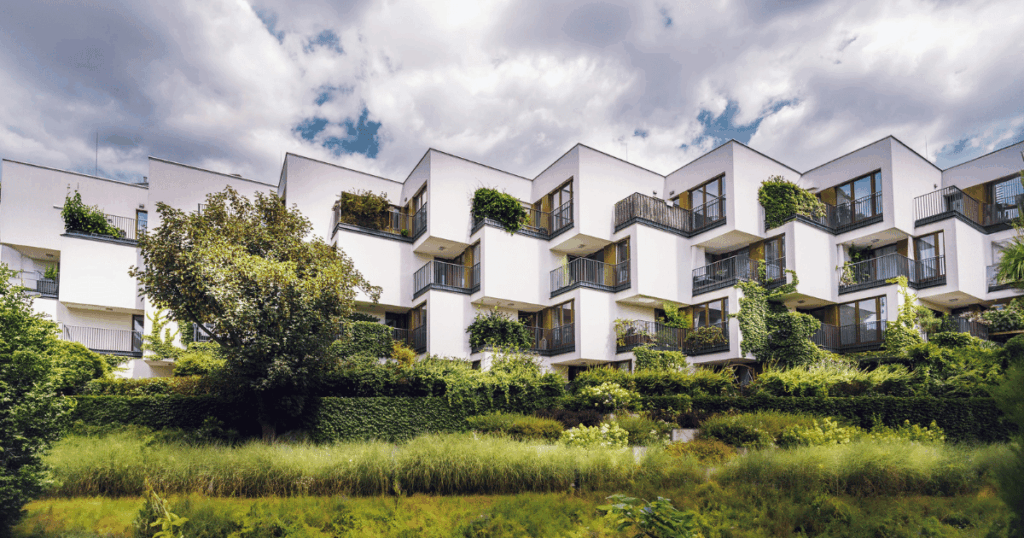
Mistake #1: Neglecting to Research Local Market Conditions
Understanding real estate trends in Indonesia
One of the most common errors when investing in property abroad is treating a country as a single market. In reality, Indonesia operates as multiple micro-markets. The Bali property market alone differs sharply between Canggu’s short-term villa demand, Sanur’s retirement housing profile, and Uluwatu’s lifestyle-driven developments.
Price growth and supply patterns also vary. According to Bank Indonesia’s Residential Property Price Index (RPPI), overall national residential property prices grew 1.74% year-on-year in Q4 2023. This indicates modest but stable movement, yet prime tourism zones can behave differently from the national average.
Before flying in, Australians should run a simple trend sanity check:
- Recent residential price growth by city
- Building permit issuance trends (new supply indicator)
- Short-term rental occupancy benchmarks by area
- Infrastructure developments (toll roads, airports, ports)
- Local zoning rules affecting renting in Bali
Structured your property investment research via Indo Property Hub [https://example.com] or Bali neighbourhood to help validate offers and pricing made by real estate agents Bali.
Best places to invest in property abroad
Skip “top 10” lists. The smartest approach is matching location to your goal, because the demand engine is different in each market.
Use this simple framework:
- Jakarta, if you want a business base and exposure to office demand, expat leasing, and corporate-driven activity. 57,02% of Indonesia’s GDP in 2024 is heavily concentrated on Java, which supports Jakarta’s role as the commercial anchor.
- Surabaya, if your strategy ties to logistics, trade, or an industrial footprint. It is supported by its proximity to Tanjung Perak. It’s a major port-linked city in East Java, which matters for warehouse, factory, and supply-chain real estate.
- Bali, if your focus is lifestyle-led demand and holiday-rental performance, where neighbourhood fit often drives pricing power more than “national averages”.
This is how to think about the best places to invest in property abroad without getting pulled into hype cycles.
Local regulations and cultural factors in Indonesia
Indonesia can be attractive for Australians, but it’s non-negotiable on structure, permits, and local norms. If you get these wrong, the impact is real: delayed handovers, blocked operations, or contracts that don’t protect you when something goes wrong.
Watch these red flags before you pay anything:
- Unclear land status or inconsistent ownership documents
- Missing key permits (or “permits later” promises)
- Pressure to transfer a “rush deposit” to lock the deal
- Vague lease renewal terms (pricing, timing, control)
- No written scope for management (fees, reporting, responsibilities)
- No clear dispute clause or legal jurisdiction language
Use a due diligence checklist, foreign-buyer basics, and an ownership type explainer so you can verify claims early before you rely on any agent, developer, or operator.

Mistake #2: Underestimating Costs Involved
Hidden costs of buying property overseas in Indonesia
The biggest budgeting mistake in investing in property abroad is treating the purchase price as the real cost. In Indonesia, especially the Bali property market, returns often depend on operating discipline, not sales pitches from real estate agents in Bali.
Use this cost matrix as a baseline for a Bali rental-style asset and adjust by size and service level
| Cost line | Typical range | Notes |
| Property management | 10% to 40% of rental income | Some firms charge a flat rate around IDR 4 million per month |
| Airbnb host platform fee | Around 3% | Split fee model for most hosts |
| Staffing baseline | UMP reference IDR 2,996,561 per month | Bali provincial minimum wage for 2025. This wage is applicable to one staff member. If you are going to hire five staff members, you will spend approximately 15 million IDR per month. |
Match the cost plan to the asset type. For instance, villas need stronger operations for guest turnover. Meanwhile, houses for retirement planning often run on longer leases and different upkeep.
Additionally, office space for PMA and business expansion adds fit-out, utilities, and compliance overhead. Lastly, warehouses and factories depend on access, power reliability, and ongoing site maintenance.
Currency fluctuations: Rupiah vs AUD, invest in Indonesia with IDR is recommended
Many expenses for renting in Bali sit in Indonesian rupiah, so planning in IDR first is recommended, then converting to AUD for personal cash flow.
Two-scenario check
- AUD strengthens. Entry price and ongoing IDR costs become cheaper in AUD
- AUD weakens. The same IDR budget costs more in AUD and reduces net returns
Therefore, always check the currency fluctuations to budget your cost models
Financing options for overseas investments in Indonesia
Most Australians tend to explore cash, releasing equity at home, using a local bank, or applying with an overseas lender. HSBC lists these four common paths and notes that suitability depends on your situation and the property structure:
- Arrange an overseas mortgage from your local bank
- Apply for a mortgage from an overseas lender
- Release equity from your own home to buy a property overseas
- Use your savings to buy a property overseas
Confirm these early checklists:
- Repayment currency
- Approval timeline versus contract timeline
- Deposit expectations
- Legal structure requirements
This is a key part of how to invest in property abroad without losing time and fees late in the deal.

Mistake #3: Failing to Consider Legal and Tax Implications
Tax obligations on rental income abroad in Indonesia
Before you earn rental income abroad, go to your tax advisor with facts, not assumptions. This protects your net return and keeps reporting clean for investing in property abroad advice.
Bring this checklist
- Ownership structure and who signs contracts
- Expected income by use case and seasonality
- Expense categories with invoices and bank trails
- Holding period and exit plan
- Where cash is received and in what currency
Tax estimations to confirm, based on asset type
- Villa used for renting in Bali and short stays
- Likely Indonesian final income tax on rent at 10% of gross.
- Possibly VAT exposure at 11% on rental transactions if the operator is a taxable entrepreneur, depending on the setup.
- House on a longer lease
- Likely the same 10% final income tax on gross rent [https://www.pajak.go.id/index.php/en/withholding-income-tax-article-42-corporate-taxpayer]
- Office or warehouse leased to a business
- Likely 10% final income tax, and VAT at 11% may apply, depending on registration and invoicing
If you are an Australian tax resident, the ATO expects you to declare overseas rental income according to IT 2167 Income Taxation Ruling.
Legal requirements for foreign buyers in Indonesia
Because buying property overseas in Indonesia requires the right structure, the opportunity is real, but the paperwork is non-negotiable. PP No. 18 of 2021 is a key reference for land rights and foreign ownership pathways.
Verify before signing
- Land status and who controls it
- Permits that match the intended use, including renting in Bali
- Contract term and renewal options
- Dispute clauses and governing law
- Who controls compliance day to day
Use the Indo Property Hub investment guide. This reduces risk from claims made in the Bali property market by real estate agents Bali.
Seeking professional overseas property investment advice in Indonesia and Bali
Because rules and operations intersect, split the work clearly. Legal confirms title and contracts, tax confirms reporting and exposure, and local ops confirms whether the plan works in the Bali property market beyond what real estate agents Bali claim.
Questions to ask
- What exactly will you verify, and what will you not verify?
- What documents do you need before you can sign off?
- How will you handle compliance and renewals over time?
- What are your fees, and what triggers extra fees?
- What happens if a dispute or permit issue arises?
This supports smarter overseas property investment, whether you want to invest in property abroad, investing in rental property abroad, or decide why invest in property abroad.
If you want, Indo Property Hub can help you compare options and connect with vetted local professionals.

Mistake #4: Not Visiting the Property Before Purchase
Importance of on-site inspections in Bali and Indonesia
Even with a clean listing, buying property overseas without visiting increases the risk of paying for problems you cannot see online. For example, in 2024, ABC News reported Australians who transferred more than AUD 120,000 for a Bali villa investment that allegedly did not exist.
Therefore, treat the first visit as a risk filter, not a holiday. Focus on issues that can block operations or trigger ongoing repairs in the Bali property market.
- Access road quality and legal right of way
- Drainage and flood marks after rain
- Construction quality, cracks, dampness, and roof condition
- Neighbour noise in daytime and at night
- Water pressure and water source reliability
- Electricity stability and backup readiness
We recommend contacting Indo Agents as a reliable property agent to secure your overseas property investment.
Evaluating neighborhoods and amenities (Bali, familiar areas for Australians)
Once the property passes inspection, neighbourhood fit becomes the next driver of performance. This is why Bali can be attractive for Australians, because demand is tied to lifestyle patterns, but results still depend on the micro location.
Fit signals
- Walkable access to the main draw for the area
- Reliable services nearby, gyms, cafes, and clinics
- Smooth access routes without daily bottlenecks
Risk signals
- Heavy construction next door
- Poor drainage corridors
- Zoning mismatch for renting in Bali
AirDNA reports Bali average daily rates around USD 145 and average monthly revenue around USD 13,274, which shows why neighbourhood selection affects pricing power.
Because these signals are easier to validate when the listing is specific, you can link them to real Uluwatu examples. For instance, a gated estate setup with shared amenities and a defined access road can reduce daily friction for owners and guests, which supports occupancy stability.
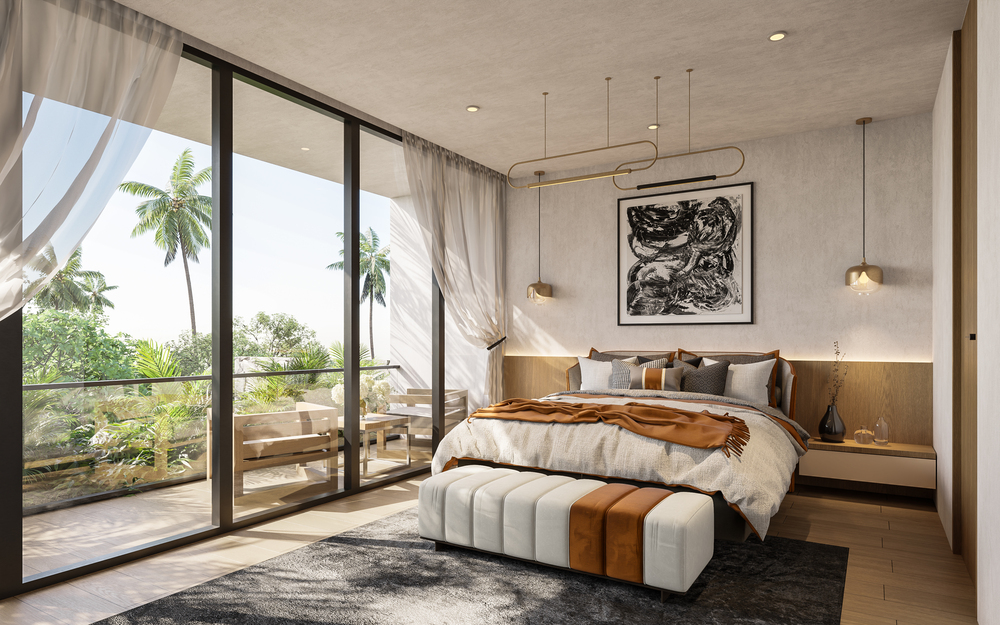
You can see this structure in Waits Estate Villa A in Uluwatu by Paralian Uluwatu, which highlights estate security, wellness facilities, and a 4-meter access road.
Likewise, if your target guest profile values rooftop social spaces, the neighbourhood fit still matters first, then the lifestyle feature becomes the differentiator. Waits Estate Villa C in Uluwatu by Paralian Uluwatu is a clear example of that rooftop positioning inside a managed estate environment.

Building relationships with local agents in Bali and Indonesia
After you shortlist areas, vet people as hard as properties. Ask for transparency, references, reporting cadence, fee clarity, and conflict checks before trusting real estate agents Bali.
Red flags
- Pressure to pay fast
- No written scope of work
- Vague fee structure
- No evidence of past deals
- Avoids compliance questions
If you prefer a structured process for overseas property investment and how to invest in property abroad, use Indo Property Hub to shortlist vetted agents and service providers.
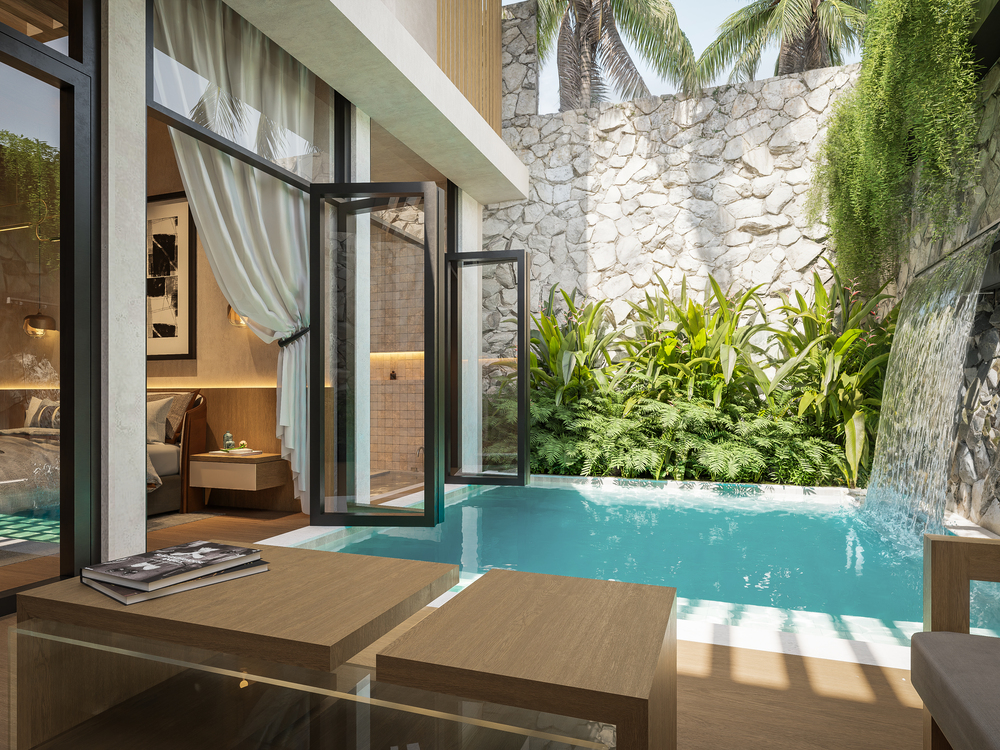
Your Pre-Investment Checklist Before You Commit
If you want to invest in property abroad to work, treat it like a verification process, not a leap of faith. Start with this checklist, because each mistake hits your returns in a different way.
Pre-investment checklist
- Validate micro market demand in the Bali property market, not national averages
- Price the full cost stack so overseas property investment numbers stay realistic
- Confirm tax and legal structure before you sign, not after you pay
- Inspect in person so buying property overseas does not hide access, drainage, noise, or building issues
When you do that work, Indonesia can be a top choice for Australians, especially Bali. According to BPS, Indonesia’s economy grew 5.03% in 2024, and 2024 investment realization reached IDR 1,714 trillion, which supports long-term confidence when deals are structured properly.
This applies whether you target leasehold villas for renting in Bali, houses for retirement planning, an office for PMA expansion, or warehouses for trade presence.
Ready for a clearer path on how to invest in property abroad and invest in property abroad with less risk. Compare verified options on Indo Property Hub, then speak to vetted local partners and real estate agents in Bali through our secure platform.

FAQs
Can Australians buy overseas property?
Yes, but the rules depend on the country, so start with the structure first. In Indonesia, foreign pathways sit under PP No. 18 of 2021, so misunderstanding this creates legal risk quickly. If you’re planning to invest in Indonesia, always refer to the foreign ownership regulation in Indonesia.
How to finance an overseas property
First, map realistic paths, then validate eligibility early. HSBC lists common routes such as cash, releasing equity, using your local bank, or applying with an overseas lender, and suitability varies by your situation, which is central to how to invest in property abroad.
Can an individual who is not a Member or a Trustee in the SMSF, hold ownership of an overseas property on behalf of the Fund?
SMSF rules are strict, so get licensed advice before acting. If you are asking, can i invest my super in overseas property, treat compliance as the first filter because breaches can trigger serious consequences.
Where should you purchase property abroad?
The best places to invest in property abroad depend on strategy, collection goal, hold period, management capacity, and risk tolerance. To decide the best place, add must-have criteria such as demand engine and logistics access.
For instance, Java contributes about 57.02% of Indonesia’s GDP in 2024, which supports Jakarta and Surabaya as business and trade anchors. In regards of trade exposure, Surabaya’s container terminal operator handled 1,584,774 TEUs in 2024, which supports warehouse and industrial presence.
For lifestyle and yield strategies, shortlist micro areas inside the Bali property market using our Bali neighbourhood guide.
What are the best international real estate companies?
We recommend choosing based on proof. Collect licensing and certification evidence, deal with references, the fee schedule in writing, and conflict checks, especially when using real estate agents Bali. This matters because Australians have been scammed in Bali villa deals that did not exist.
Also, Indonesia has been tightening risk-based licensing rules, so ask for the valid licence number and scope. Therefore, we recommend using the Indo Agents directory for reliable and trustworthy property investment support.
How do currency fluctuations impact the global real estate market?
Because FX changes affordability, costs, and AUD returns even when performance is stable.
Plan renting in Bali costs in IDR first, then convert to AUD for cashflow planning.
Also, if you are an Australian tax resident, the ATO expects you to declare foreign income, including overseas rent.
What taxes will you need to pay on an international property investment?
If you are an Australian tax resident, you usually need to report overseas rental income in Australia, and you may also pay tax in the country where the property sits. The ATO is clear that Australian residents must declare foreign income in their tax return, including rent.
For Indonesia specifically, rent from land and buildings is commonly subject to a final income tax of 10% of gross and 11% of VAT under PP 34 of 2017.
Because Indonesia and Australia have a tax treaty, you may be able to claim relief to avoid double taxation, depending on your situation.
How can you get an international mortgage?
Australians typically use one of these routes, so start by matching the route to your structure and timeline. HSBC includes an overseas lender as one of the common options for funding routes.
Confirm the early checklist:
- Repayment currency and whether your income matches it
- Deposit expectations and required documents
- Approval timing versus your contract timing
This matters for buying property overseas in the Bali property market, because financing delays can force renegotiation or loss of deposits when invest in property abroad plans move too fast.

Bali is a collection of neighbourhoods with totally different day-to-day realities.
If you’re an Australian planning a long stay in Bali, picking the wrong area can mean wasted hours in traffic, noisy nights, and a rental that doesn’t match how you actually live. That’s why the best place to stay in Bali depends on fit, not hype.
Since Australia has consistently held the position of the highest foreign arrivals share in 2024, according to Katadata, approximately 24%, demand stays competitive in popular zones. That’s why you want a clear decision process before you book.
Use these 3 filters to choose the best places to stay in Bali:
- Who you’re travelling with (solo, couples, families)
- What do you want to do in Bali (culture, surf, quiet, diving)
- How long are you staying (week, months, or a minimum one year)
We’ll map the best locations to stay in Bali across Ubud, Sanur, Amed, Uluwatu, and Canggu, plus a 6–12+ month section comparing hotels vs Bali villas for rent and Bali villas for rent long term.
If you’re choosing between beach zones and nightlife hubs, take a quick look at Australia’s official advice on water safety and alcohol risks (including drink spiking and methanol). It can influence the best area for your group.
Start with Indo Property Hub’s curated stays: Bali villas for rent

Quick Bali Match Quiz: Best locations to stay in Bali by your travel style (Matrix)
Use this as the “decision table” right near the top of the article.
| Traveler type | Features | Area | Accommodation that fits | Top Suggestions |
| Couples, solo, wellness, remote workers | Culture + jungle views + wellness | Ubud | Jungle-view villas, quiet boutique stays | Ask Indo Property Hub for Ubud villas with strong Wi-Fi+calm nights |
| Families, first-timers, slower pace | Calm beach routine + easy logistics | Sanur | Family villas, resorts with kids features | Get Indo Property Hub’s family-safe picks (pool safety + walkable areas). |
| Divers, chill travelers, budget long stays | Diving/snorkeling + quiet value | Amed | Simple villas, ocean-view stays | Request Amed options with reliable water/AC/Wi-Fi. |
| Couples, surf trips, friend groups | Cliff sunsets + iconic beaches | Uluwatu | Romantic villas, cliff-view stays | Indo Property Hub can shortlist sunset-view villas within your budget. |
| Digital nomads, surf + food lovers | Trendy cafes + coworking + social vibe | Canggu | Modern villas, long-term rentals | Get Indo Property Hub’s 12-month rental shortlist (contracts + included services). |
Bali demand is not “low season = empty” anymore. Popular pockets book out, and prices shift quickly. Star-rated hotels also ran at 58.10% occupancy in May 2025, showing steady competition for quality stays, according to BPS.
How to use this table
- Define your traveler type → pick the features that you want → choose the area → decide the accommodation type (hotel vs Bali villas for rent / Bali villas for rent long term).
Time vs traffic reminder
- Choose a place-to-stay that is close to your main activity. Bali traffic can turn “near on the map” into a daily time drain.
Not sure which match you are?
- Contact us now, let us help you to find the right place and neighborhood where you belong!.

Ubud – The Cultural Heart
For long-stay Australians who want culture, wellness, and a calmer routine, Ubud is one of the best places to stay in Ubud Bali. This suits you best if you’ll spend weekdays working, training, or living a “normal life” instead of hopping from beach to beach.
Best places to stay in Ubud, Bali: Choose your micro-area
- Central Ubud: walkable cafes, gyms, coworking, errands. Trade-off: congestion, late-night noise, tighter parking.
- Penestanan / Sayan: greener, quieter, more “retreat” energy. Trade-off: more scooter time for daily needs.
- Nyuh Kuning / Mas: more residential, often better value for longer contracts. Trade-off: less “instant Ubud” buzz.
BPS reported that most Bali visitors stay short time in one base (average length of stay at star hotels was about 2.70 nights in Nov 2024). If you are considering a long-term stay to experience a full normal daily life in Bali, we recommend long-stay wellness renters to pick Ubud.
No worries, you still can have a lot of entertainment options in Ubud! Here are our top sorted of what to do in Bali (Ubud edition):
- Sightseeing in rice terraces, temples, and join cooking classes
- Visit waterfalls and nature walks
- Attend yoga studios, wellness cafes, and spa routines
Top villas in Bali (Ubud-style)
There are several villa types that you can pick in Ubud. Some of those include:
- Jungle-view villa,
- Rice-field view villa,
- Private-pool villa, and
- Multi-bedroom group villas.
For long stays, confirm quiet-night checks, workspace setup, and cleaning frequency.
What impacts price + comfort (Ubud villas)
Typical inclusions: pool, staff/cleaning options, Wi-Fi (sometimes breakfast). Price usually shifts with:
- View (jungle/rice-field), distance to centre, and villa size
- Noise risk (main roads, ceremonies, construction)
- Wi-Fi reliability: Indonesia’s fixed broadband speed was 35.96 Mbps (median, June 2025, according to DPR RI). However, villa speeds vary, so you should ask for a recent speed test before paying deposits
Explore Top Villas in Bali, Ubud through Indo Property Hub,
Ask for 3 options in your budget + 1 ‘nice-to-have’ on your bucket list.

Sanur – Quiet Beaches and Family-Friendly Atmosphere
Best places to stay in Sanur Bali
Sanur is a smart long-stay base if you want calmer days, easier routines, and less “party spillover” at night. It sits in Denpasar, so you’re closer to practical services than you are in many beach-heavy areas.
Bali stays busy year-round, especially in Sanur, which has been designated a Health & Tourism Special Economic Zone (KEK Sanur). This Special Economic Zone covers an official footprint of 41.26 hectares and a legal basis under Government Regulation No. 41/2022.
We sorted the list of recommended activities in Sanur on What to do in Bali (Sanur edition):
- Cycle or walk the beachfront path for daily exercise
- Easy beach days for kids and non-surf swimmers
- Fast access to ports for island day trips (check your departure point)
Beach conditions vary
Sanur is more sheltered, but tides still change the swim zone and reef exposure. Before beach days, you should check local marine conditions and tide forecasts through this official website: BMKG Pelabuhan Sanur.
Best place to stay in Bali with family
For families, Sanur often beats trendier hubs because it supports routines. We compare the features of a villa and a resort for a family’s long-term stay in Sanur.
Villa vs resort (quick comparison)
- Villa: kitchen, laundry, multiple bedrooms, private pool, better for longer stays
- Resort: kids club, on-site dining, daily service, easier short-term logistics
As you bring your family, we recommend that you follow this practical parent checklist to ensure safer and panic-free stays.
Practical parent checklist
- Pool fencing or child-safe barriers
- Stair/railing safety, non-slip surfaces
- Close to medical clinics, quiet nights, walkable basics
Bringing your child to your long-term stay is fun, but don’t forget to always pay attention to water safety and alcohol risks (including drink spiking/methanol), following the Australian Government’s Smartraveller guidance.
Since we want you to have a fully-immersed experience for your long-term stay in Bali villa, we recommend you pick this Sanur family stay. Get villas that are walkable + family practical (kitchen, laundry, multiple rooms).

Amed – A Diver’s Paradise
Best place to stay in Bali Indonesia
Amed is a true “hidden gem” if your ideal Bali routine is reef time, quiet streets, and early nights. It’s one of the best answers to the best place to stay in Bali Indonesia when you care more about snorkeling and diving than beach clubs.
However, it’s quite far from downtown. From Ngurah Rai Airport, the trip to Amed is typically around 4h 47m using public transport routes, and the straight-line distance is listed at 109 km (road distance can vary by route) according to Rome2Rio. Not to mention the heavy traffic jam if you use private transport.
No worries, your trip can still be worthwhile if you follow our recommended activities in Amed.
What to do in Bali (Amed edition)
- Shore snorkeling and reef time right off the beach
- Day diving trips (Amed + Tulamben sites are commonly paired)
- Sunrise viewpoints and slow mornings in chill cafes
Budget guide: certified fun dives in Amed Dive Center can start around IDR 470,000–490,000 per dive (site-dependent), while 2 dives are commonly priced around IDR 770,000–795,000.
Bali villas for rent
Amed suits Bali villas for rent seekers who want value and quiet. Pricing often rewards longer stays: nightly rates can look high, but monthly or annual deals are more considerable once utilities and service terms are clear.
Once again, the key is clarity! Avoid surprises (especially for a Bali Indonesia villa for rent) by checking the villa features:
- Water supply consistency and water pressure
- AC in bedrooms vs open-air living (humidity impacts sleep)
- Wi-Fi proof (speed test), and what cleaning is included
Explore Bali villas for rent in Amed through Indo Property Hub.
Tell us your stay length, and we will optimize for the best annual value!

Uluwatu – Cliffs and Sunset Views
Best places to stay in Uluwatu Bali
Uluwatu sits in Badung Regency, Bali’s main tourism engine. That matters because demand pressure and pricing don’t come from “Uluwatu hype” alone. Meanwhile, they come from a region where tourism and accommodation drive the economy.
In Uluwatu, you can choose between two stay styles:
- Cliff-front zones: premium sunsets and dramatic views, but more exposure to wind, stairs, and higher prices.
- Inland pockets (Pecatu side streets): quieter nights and better value, but you’ll rely on transport for beaches and dining.
If you’re staying at Uluwatu, we’ve listed the things that you can do. What to do (Uluwatu edition):
- Surf breaks (Uluwatu, Padang Padang, Bingin)
- Uluwatu Temple at golden hour (international entry is commonly IDR 50,000 adult / IDR 30,000 child)
- Kecak & Fire Dance: tickets are often around IDR 150,000 (separate from temple entry), book ahead via platforms like Klook and check the latest price before paying
- Beach hopping with realistic expectations. This is because some beaches require stairs. Suluban, for example, involves about 100 steps down the cliff.
Best place to stay in Bali for couples
Uluwatu is the cliff-and-sunset end of the Bukit Peninsula. It’s a strong pick if your “Bali routine” is surf, beach hopping, and slower evenings, and you’re happy to trade walkability for views.
This area is the most popular choice for couples who want to stay in Bali. For those who prioritize privacy and sunsets, Uluwatu is the perfect fit. Look for:
- private pool, quiet-night buffer, sunset-facing outdoor space
- easy dining access or private chef option, spa services nearby
- Wi-Fi proof if you’ll work from the villa
Browse the couple villas recommendation in Uluwatu by Indo Property Hub here
Request a shortlist by vibe: Message “your dates + must-haves”, Indo Property Hub will filter fast.

Canggu – Surfing and Trendy Vibes
Best places to stay in Canggu Bali
Canggu is built for a “live like a local” year, where you can surf before work, visit cafes and fitness studios on repeat, then cowork and socialize at night. It’s one of the best places to stay in Canggu Bali if you want community and convenience, but you need to choose your pocket carefully.
Pick your pocket (noise trade-offs are real)
- Berawa/Batu Bolong/Echo Beach: closest to beach clubs, bars, and the main action. According to Finns, these areas are also where nightlife concentrates.
- Quieter residential lanes: more sleep-friendly, better for families and remote work, but you’ll scooter/drive to hotspots.
Your Canggu daily life shouldn’t be endless bar hopping. We have collected several activity recommendations in Canggu.
What to do in Bali (Canggu edition)
- Surf lessons (Batu Bolong): small-group lessons in Dian Surf School start around IDR 400,000 per person.
- Take beach runs, visit a trendy cafe, and attend gym classes
- Subscribe coworking day pass to support your digital nomad occupation. Tropical Nomad lists a 1-day pass at IDR 230,000
- Join an easy day trip. For instance, you can take a trip and sightseeing Tanah Lot sunset (foreign adult ticket IDR 75,000). You can also take a trip to Seminyak and Ubud with a correct plan and timing
- Make sure to visit social spots without committing to “party every night.”
Bali villas for rent long term
In practice, “long-term” means either monthly leases (more flexible) or annual contracts (better value, stricter terms). What’s often excluded are utilities, internet upgrades, and repairs beyond basic wear.
Long-term stay in Canggu is recommended, especially for digital nomads. However, you should plan your day around traffic. It is a non-negotiable.
According to Merah Putih, rush hours commonly hit around 7:30–9:30 and from 16:30 onward, so schedule school runs, gym time, and meetings outside those windows. Even though the airport-to-Canggu distance is only ~18 km (16 km by road), travel time can swing hard by time of day.
You should also save this long-stay checklist for villa rentals in Canggu:
- Contract clarity, deposits, and maintenance response times
- Workspace setup + internet plan (Databoks shows Indonesia’s median mobile download at 49.30 Mbps in Oct 2025, but villa Wi-Fi speed is more volatile)
- Banjar/community rules, parking, and noise buffer
Check here for Canggu long-term rentals recommendations by Indo Property Hub. Tell us your lease plan (e.g., 1 year), and we’ll share contract-ready options!
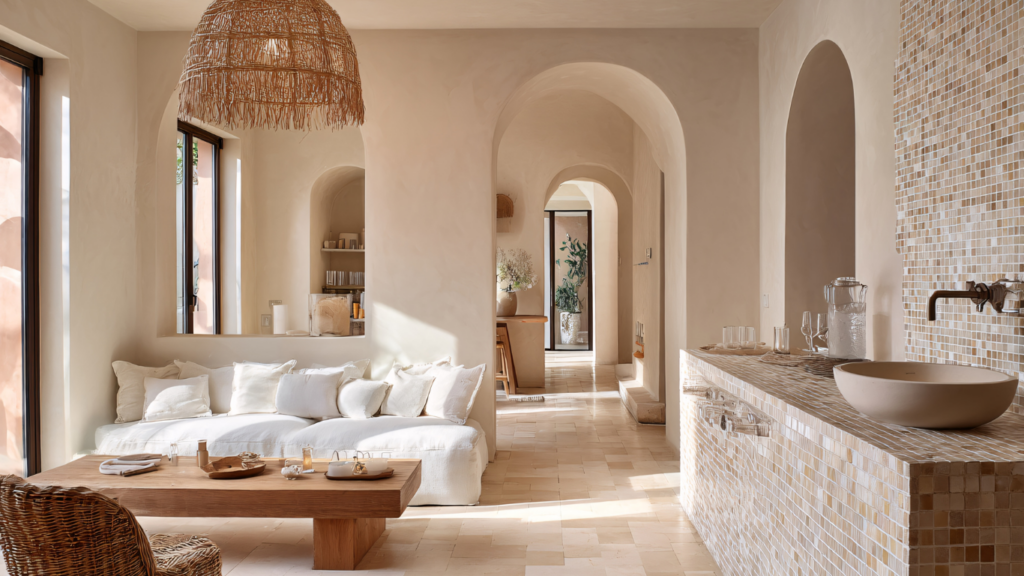
Choose The Best Place to Stay in Bali Smarter!
Your best place to stay in Bali comes down to matching a base to your real weekly routine, not trends. Use these five “hidden gems” as quick shortcuts:
- Ubud: culture, wellness, green views, calmer long-stay rhythm
- Sanur: family calm, easier logistics, quieter nights (great for the best place to stay in Bali with family)
- Amed: diving and snorkeling, slower streets, better value (a smart best place to stay in Bali Indonesia option)
- Uluwatu: cliffs and sunsets, surf energy (often the best place to stay in Bali for couples)
- Canggu: cafes + coworking + social base (strong for Bali villas for rent long term)
Build your Bali plan around what to do in Bali (surf, diving, school runs, wellness) that drives your routines, and choose the area that makes that routine easy.
As a foreigner, don’t forget to check the rules, because they are always updated. For instance, Bali’s official tourist levy is Rp 150,000 per person, paid once per visit, via the Love Bali system. Additionally, keep the current official travel advice in mind for safety and local laws.
Ready to book smarter? Start with Indo Property Hub’s curated Bali villas for rent
Find Your Ideal Bali Stay with Indo Property Hub
Long stays work when you get the basics right. It includes rental agreement clarity, deposit terms, and who pays repairs. Also filter for the real-life issues such as Wi-Fi proof, neighbourhood noise patterns, and flood exposure.
Flood exposure matters because IFRC reported Bali flooding impacted 7 districts/cities in September 2025, with reported water levels from 50 cm up to 300 cm in affected areas. Consider it thoroughly.
Browse through Indo Property Hub to find a flood-free villa
Aside from natural disaster risk mitigation, anticipate Bali Villa scam with these simple rules:
- Don’t pay full upfront without a verified listing + contract
- Avoid pressure tactics or “today-only” deals
- Use reputable platforms and vetted providers
Find vetted agents and legal services in Indo Property Hub to protect your transaction from scams
Message Indo Property Hub on WhatsApp with dates, group size, preferred areas, budget, and must-haves (Wi-Fi, pool, quiet, family-safe).

FAQ: Best place to stay in Bali
What is the best place to stay in Bali with family?
For most families, Sanur is the default with a calmer pace, easier mornings, and less nightlife noise. If you want more nature and wellness, Ubud (Nyuh Kuning/Mas) works well. Meanwhile, if you want reef time and quiet, Amed can be a slower, budget-friendly base.
Villas win for privacy with personal kitchen/space/laundry areas, while resorts win for kids clubs and daily service.
Find your best place to stay through Indo Property Hub.
What is the best place to stay in Bali for couples?
Choose Uluwatu for sunsets and surf energy, or Ubud for wellness, jungle views, and quieter evenings. If you’re planning a long stay, pick the base that fits your weekly routine (dining access vs retreat-style calm).
Romantic villa must-haves:
- privacy + quiet nights
- private pool + view
- easy dining or private chef option
Explore the perfect romantic couples villas in Bali through Indo Property Hub.
Where is best for a long-term stay in Bali (6–12+ months)?
Canggu suits coworking and social routines, Ubud suits calm/nature, and Sanur suits family logistics and steady days. For Bali villas for rent long term, always check the contract terms, deposit schedule, maintenance response time, and internet proof.
Visa admin matters too, don’t forget to choose the right visa because Indonesia’s overstay fine is IDR 1,000,000 per day (up to 60 days).
Discover your best deal long term rentals in Bali through Indo Property Hub
How to choose the best places to stay in Ubud / Sanur / Uluwatu (quick picks)?
- Ubud: best for culture/wellness; watch for traffic and road noise near the centre.
- Sanur: best for quiet beach routines; watch tide/reef exposure and choose walkable pockets.
- Uluwatu: best for sunsets/surf; watch stairs and transport needs between beaches.
Book around activities, not trends, because your base should reduce daily friction.
What are the best places to stay in Ubud Bali for first-timers?
Stay central Ubud if you want walkability, or just outside (Penestanan/Sayan/Nyuh Kuning) if you want quieter nights and views. Check scooter access, distance to main streets, and construction/noise risk before committing.
What are the best places to stay in Sanur Bali if you want a quiet beach base?
Choose beachfront or near the main path for easy mornings and relaxed dining. It suits families, first-timers, and couples who want calm and don’t care about nightlife-heavy zones.
What are the best places to stay in Uluwatu Bali for sunsets and beaches?
Pick cliff-view areas for iconic sunsets or inland villas for quiet and value. Expect transport between beaches, and note that several spots involve steep stairs, which can be a deal-breaker with kids or mobility limits.
Request dramatic sunset-view villas in Uluwatu info to Indo Property Hub.
What are the best places to stay in Canggu Bali, if you want cafes and coworking?
Stay close to your main coworking/cafe cluster, but use quieter residential lanes if you’re noise-sensitive. Check traffic choke points, parking, Wi-Fi speed proof, and nearby construction (it can change noise fast).
Get Indo Property Hub’s “quiet-but-close” Canggu list
Is it better to stay in a hotel or Bali villas for rent?
For long stays, Bali villas for rent usually win on space, privacy, kitchen/laundry, and work-from-home comfort. Hotels win on daily service, facilities, and predictable operations. Decide based on trip length, group size, and how often you’ll work from the property.
How do I find Bali villas for rent long-term (minimum one year) safely?
Verify written contract terms, deposit schedule, included utilities, and maintenance responsibilities before paying. Red flags: pressure to pay upfront, unclear ownership/agent authority, or refusal to share full property details and legal terms.
Ask Indo Property Hub for legal support for contract-ready long-term options in Bali
What should I check before booking a villa in Bali (to avoid surprises)?
Follow this checklist:
- Wi-Fi speed proof,
- Water pressure,
- AC in bedrooms,
- Pest control,
- Noise level, and
- Power backup plan.
Always confirm inclusions (cleaning frequency, linens, pool maintenance) and any utility caps for monthly/annual deals.
Which area in Bali is best if I don’t want crowds?
Go for quieter picks like Sanur (calmer base) or Amed (slow travel/diving routine), and choose side streets over main drags. Timing helps too, because shoulder seasons and weekdays often feel dramatically less busy than peak weekends.
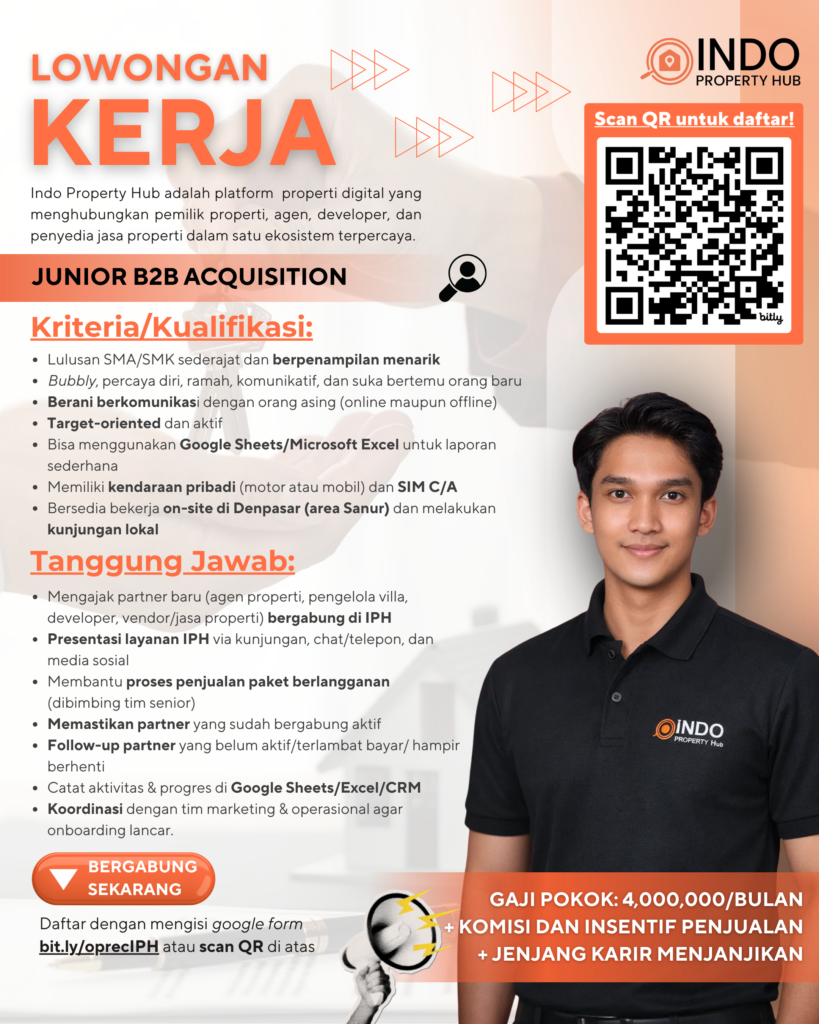
Kalau kamu sedang mencari lowongan kerja di Bali tanpa ijazah, kamu butuh dua hal:
- Peluang yang realistis
- Proses rekrutmen yang jelas.
Banyak iklan “gaji tinggi” terlihat menarik, tapi sering minim detail soal lokasi kerja, target, dan sistem komisi, ujungnya kamu buang waktu atau keluar biaya.
Daftarkan dirimu untuk posisi Junior B2B Acquisition di Indo Property Hub yang berlokasi di Denpasar, Bali, Indonesia (On-site), dengan tipe pekerjaan full-time.
Info loker Bali Denpasar: lowongan kerja di Bali tanpa ijazah (Junior B2B Acquisition)
Indo Property Hub (IPH) adalah platform prop-tech, bukan agen atau manajemen properti. IPH membantu pemilik, agen, developer, dan penyedia jasa properti untuk tampil online, dapat leads, dan mengelola komunikasi secara rapi.
Posisi: Junior B2B Acquisition (Full-time, on-site Denpasar—area Sanur).
Peran ini cocok untuk lulusan SMA/SMK atau fresh graduate yang mau mulai karier sales B2B tanpa pengalaman.
Gambaran kerja (lapangan + online):
- Ketemu calon partner: agen properti, vendor, pengelola villa, developer
- Follow-up prospek via WhatsApp, Facebook, dan kanal sosial lain
Lowongan kerja di Bali gaji 5 juta: ekspektasi gaji yang masuk akal
Sebagai konteks, UMP Bali 2026 ditetapkan sebesar Rp3.207.459/bulan dan berlaku mulai 1 Januari 2026.
Di IPH, kami menawarkan struktur kompensasi yang jelas:
- Gaji pokok: Rp4.000.000 (kotor)/bulan
- Komisi dan insentif sesuai performa
- Training dari tim sales + jalur berkembang ke level senior
Sebagai pembanding pasar, Indeed melaporkan rata-rata gaji Sales di Bali Rp4.291.568/bulan (update 11 Januari 2026). Ini membantu kamu menilai apakah penawaran “lowongan kerja Bali” itu realistis.
Lowongan kerja Bali post hari ini: Kriteria dan Tanggung Jawab
Yang menentukan kamu cepat mendapatkan kerja dan naik jabatan bukan gelar, tapi konsistensi kerja dan skill dasar.
Kriteria utama:
- Pendidikan minimal SMA/SMK (D3/S1 juga boleh) dan berpenampilan menarik
- Fresh graduate sangat dipersilakan melamar
- Bubbly, percaya diri, ramah, komunikatif, dan suka bertemu orang baru
- Tidak takut berbicara dengan orang asing (online maupun offline)
- Mau belajar, mau berusaha, dan tidak mudah menyerah
- Target-oriented dan aktif
- Bisa menggunakan Google Sheets / Microsoft Excel untuk laporan sederhana
- Memiliki kendaraan pribadi (motor atau mobil) dan SIM C / SIM A
- Bersedia bekerja on-site di Denpasar (area Sanur) dan melakukan kunjungan lokal
Tanggung jawab inti: Akuisisi, Aktivasi, dan Retensi Partner
- Mencari dan mengajak partner baru (agen properti, pengelola villa, developer, dan penyedia jasa) untuk bergabung di platform Indo Property Hub.
- Memperkenalkan layanan IPH melalui:
- pertemuan langsung,
- chat / telepon,
- dan media sosial.
- Membantu proses penjualan paket berlangganan (dengan arahan dari tim senior).
- Memastikan partner yang sudah bergabung benar-benar aktif, seperti:
- mengunggah iklan,
- iklan tampil di website,
- dan menggunakan platform IPH.
- Melakukan follow-up ke partner yang:
- belum aktif,
- terlambat bayar,
- atau hampir berhenti berlangganan.
- Mencatat data customer, aktivitas, dan progres kerja di Google Sheets / Excel / CRM.
- Berkoordinasi dengan tim marketing dan operasional agar proses onboarding berjalan lancar.
Kesimpulan Lowongan Kerja di Bali Tanpa Ijazah dan Gaji Tinggi
Kalau kamu mencari lowongan kerja di Bali tanpa ijazah yang prosesnya jelas dan punya jalur penghasilan yang realistis, posisi Junior B2B Acquisition di Indo Property Hub bisa jadi pilihan yang tepat. Peran ini fokus ke akuisisi partner B2B (agen, pengelola villa, vendor) dengan kombinasi kerja lapangan dan online, jadi yang dinilai adalah komunikasi, konsistensi, dan kemampuan follow-up.
Kompensasi juga transparan: gaji pokok Rp4.000.000/bulan (kotor) + komisi dan insentif, dengan peluang berkembang ke level yang lebih senior sesuai performa (lihat detail di flyer terlampir).
Mengapa Anda harus melamar di Indo Property Hub:
- Cocok untuk awal karier di dunia sales dan properti: fokus pada skill komunikasi dan eksekusi, bukan gelar.
- Belajar langsung di lapangan, bukan cuma teori: ketemu partner, presentasi, follow-up, sampai closing dibimbing tim.
- Bangun jaringan profesional di Bali: kamu akan bertemu agen, pengelola villa, developer, dan penyedia jasa—network ini bernilai untuk karier jangka panjang.
- Lingkungan kerja aktif, suportif, dan bertumbuh: ritme kerja dinamis, cocok untuk yang mau berkembang cepat.
- Jalur karier jelas untuk yang berprestasi: performa dan konsistensi jadi penentu naik level, bukan “lama kerja”.
Siap daftar?
- Isi form pendaftaran: https://bit.ly/oprecIPH
- Atau scan QR pada flyer di artikel ini untuk langsung menuju form.

Australians have been Bali’s biggest visitor group for many months. According to BPS Bali, theymade up 24.81% of foreign arrivals to Bali in October 2025. This demand brings more confusion, rushed paperwork, and “too-good-to-be-true” visa offers for your holiday, remote-work stay, or longer trip to Bali in 2026.
If you’re asking “do you need a visa for Bali?”, the practical answer for stays is yes, and can be eased up through e-Visa on Arrival (e-VOA). Australia’s Smartraveller recommends at least 6 months of passport validity and proof of onward travel, which can affect check-in and boarding if you don’t have it ready.
This 2026 guide breaks down the right visa for Bali from Australia, how to apply for Bali tourist visa online, and how much is a visa for Bali costs. You’ll also avoid common traps like overstaying (fines can reach IDR 1,000,000 per day)
While you plan entry, you can also line up accommodation early, from short stays to Bali villas for rent long term via verified options on IndoProperty Hub:
- Browse Bali listings
- Check long-term rental in Bali
- Compare Bali villas for rent
- Explore the Bali property services directory (legal/tax/notary)
- Connect with vetted local agents in Bali for a free consult

1. Do You Need a Visa for Bali?
1.1 General entry requirements (what to prepare before you travel)
Before you fly, set up the basics! Airlines can refuse boarding if you can’t prove you meet entry rules. You should have at least 6 months of passport validity and a return/onward ticket ready.
Use this checklist:
- Passport with 6+ months validity
- Return/onward flight booking
- Accommodation details (first address in Bali)
- Complete the All Indonesia Arrival Card online within 3 days before arrival to generate a QR code you show/scan at checkpoints
- Pay the Bali Tourist Levy (IDR 150,000): a Bali-only fee for foreign tourists, best paid online via the official LoveBali site
1.2 Do I need a visa for Bali? Quick answer for Australians! (2026 snapshot)
In the most common short-holiday scenario, Australians use Visa on Arrival (VOA) or e-Visa on Arrival (eVOA):
- Valid for 30 days stay in Indonesia with the purpose of Tourism, Government Visit, Business Meeting, Goods Purchasing, or Transit only.
- Extendable
- Paying a fee of IDR 500,000 via the official immigration portal.
Your key decision point is length of stay, which may need a different visa. Check this quick decision tree (choose by purpose + stay length) as a reference:
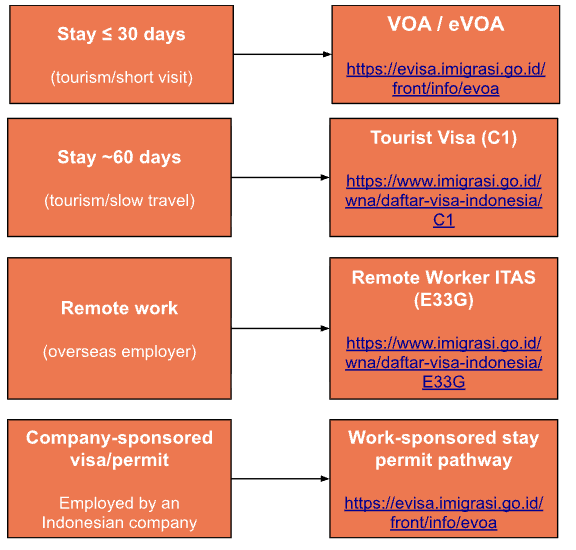
This directly affects planning for renting in Bali, or viewing the Bali property market with real estate agents Bali. Browse through Indo Property Hub to find the most suitable Bali villa for rent and trusted real estate agents Bali
Who this helps: “Do you need a visa for Bali / do Australians need a visa for Bali / do I need a visa for Bali?”
1.3 Visa mistakes that get you in trouble (scams + overstays)
Visa scams usually look like “official” sites but charge inflated fees or issue fake documents. Only apply via government portals. The Directorate General of Immigration has detained 312 foreign citizens in Bali for visa violations from January to February 2025.
You should also be aware of overstays, because it’s costly. The official overstay fine is IDR 1,000,000 per day, so even one extra day can become a stressful airport problem.
Below are the tips to avoid headaches when dealing with a visa for Bali:
- Save screenshots/printouts of your visa + All Indonesia QR
- Keep payment receipts (eVOA + Bali levy)
- Bookmark official links and track your expiry date

2. Types of Visas for Bali
| Visa type (index) | Best for | Validity to enter Indonesia | Permitted stay after arrival | Entry type | Official cost (in IDR before exchange rate and bank fees) |
|---|---|---|---|---|---|
| Visitor Visa | Short holidays, quick trips, first-timers | 90 days from issue | Up to 30 days from arrival | Single-entry | IDR 500,000 (+ bank/card fees may apply) |
| Tourist Visa (C1) | Longer holidays, slow travel, “base yourself” stays. Compliance note: Tourist visas are not for local employment | 90 days from issue | Up to 60 days from arrival (extendable up to 180 days) | Single-entry | IDR 1,000,000 (fees can always change; confirm on the official portal). |
2.1 Bali visa for Australians: VOA vs eVOA (the default option)
For most short holidays, the default Bali visa for Australians is visitor VOA (Visa on Arrival) or eVOA (electronic VOA). It’s a single-entry visitor visa that allows a stay up to 30 days for tourism (and other limited visit purposes), with a fee of IDR 500,000. The application can be done through the government’s official website.
In one of the terms, you have to understand that validity ≠ stays. Your visa can have a “90-day validity period” (time window to use it), but your permitted stay starts from your arrival date for 30 days.
Why eVOA is popular:
- You apply before flying, so check-in is smoother (good for first-timers)
- You can submit up to 5 people in one go (useful for families/groups)
- You land with paperwork ready, which helps when flights are busy. So, you get a smoother arrival flow and fewer surprises at the airport
In addition, eVOA/VOA is extendable once more for another 30 days (your total stay will be up to 60 days)!
2.2 Tourist visa options for longer stays (beyond the standard arrival visa)
If you’re planning 60 days or beyond, consider the official Tourist Visa (C1). It offers up to 60 days’ stay, with an IDR 1,000,000 cost (fees can always change; confirm on the official portal). This visa type typically takes ~5 working days to be processed.
This fits slow travel, longer family stays, or “work-from-Bali” travel, where you’re not taking local employment, often paired with Bali villas for rent long term and monthly rates. Apply for a Tourist Visa (C1) through the government’s official website only.
Beforehand, don’t forget to secure a place to stay. Browse options for renting in Bali here: https://indopropertyhub.com/leasehold/
You also have to remember to always confirm the current visa index that matches your purpose (tourism vs business). Keep in mind that tourist visas are not for local employment
2.3 Extending your visa or stay permit (what to know before you book accommodation)
Extensions matter when plans change (from a 2-week surf trip to 6 weeks of escape). For VOA/eVOA, you can extend once, but since May 29, 2025, extensions require an in-person visit for photo capture and interview at immigration. [https://jakartapusat.imigrasi.go.id/index.php/berita/alleviating-immigration-violations-foreign-nationals-must-go-to-immigration-office-to-extend-stay-permit]
So, you have to prepare:
- Passport biodata + entry stamp pages
- Current visa/permit proof
- Local address (where you’re staying)
- Apply with enough time before expiry (don’t cut it close)
Planning tip: align your visa duration with accommodation terms (weekly vs monthly rates, deposit schedules, etc.). If you’re comparing longer stays, explore Bali villas for rent long term: [https://example.com]
2.4 KITAS / stay-or-work permits (only if relevant)
KITAS is the everyday term for ITAS (Izin Tinggal Terbatas / Limited Stay Permit). It’s for longer stays with a specific purpose (work, family, investor, remote worker, second-home, etc.), not a standard tourist path.
The official immigration site lists many ITAS-related categories, including Investor (E28/E28A), Remote Worker (E33G), Family Reunion (E31), and others. You can apply for any category through the official government website.
| KITAS / ITAS category | Best for | Permit length (stay) | Eligibility | Official cost (in IDR before exchange rate and bank fees) | Notes that matter for property planning |
|---|---|---|---|---|---|
| Remote Worker ITAS (E33G) | Working for an overseas company while living in Indonesia | Up to 1 year | Assignments for overseas company + travel in/out | IDR 7,000,000 (1 year) | Best if you want Bali villas for rent long term with a stable timeline. Still, a lease does not create residency rights, visa comes first. |
| Investor ITAS (E28A) | Formal investment pathway (shareholder/ PT PMA context) | 1 year or 2 years | Investor residency purpose | IDR 7,000,000 (1 year) / IDR 9,500,000 (2 years) | Useful for long-term lifestyle planning, but it’s compliance-heavy. Use professional legal/immigration support. |
| Family ITAS (E31A) | Joining family in Indonesia (e.g., spouse of an Indonesian citizen) | 1 year or 2 years | Family-based stay | IDR 6,000,000 (1 year) / IDR 8,500,000 (2 years) | Strong long-stay option if you qualify. Aligns well with stable housing and school planning. |
| Second Home ITAS (E33) | Long-term residence (non-work) pathway | Up to 5 years (extendable) | Long-duration stay | IDR 13,000,000 (5 years) | Good when your accommodation plan is multi-year. Treat it as a residency route, not a travel hack. |
In short, these are common KITAS pathways people ask about:
- Remote worker ITAS (E33G): for living in Indonesia while working for a non-Indonesian employer (rules/conditions still matter)
- Investor ITAS (E28/E28A): tied to investment status and formal requirements
- Family ITAS (E31 series): joining an Indonesian spouse/parent/child or a spouse who already holds ITAS/ITAP
- Second Home ITAS (E33): designed for long-term residence (often multi-year)
Costs and rules vary by type and duration, and they change, so get professional guidance via an immigration/legal provider.
Keep in mind that a villa lease or property search doesn’t create residency rights. If you’re planning long-term living (and comparing Bali Indonesia villa for rent or Bali villas for rent long term), use vetted immigration/legal support and keep your purpose aligned with the correct visa index.
Start with IndoProperty Hub’s Bali property services directory to connect with real estate agents Bali who can coordinate the right professionals.

3. How to Apply for Bali Tourist Visa Online
3.1 Step-by-step: apply for Bali tourist visa online (eVOA route)
If you want less friction at arrival, apply for Bali tourist visa online using the official eVOA portal. It’s the most common visa for Bali from Australia for short stays.
Workflow:

Prepare these fields:
- Passport number + expiry date
- Accommodation address in Bali (hotel or Bali villas for rent)
- Arrival airport/flight inf
Timing tip for Australians: apply a few days ahead (don’t rely on airport Wi-Fi). If something fails, your backup (if eligible) is VOA on arrival.
3.2 Required documents (simple checklist block)
Before you start the eVOA form, collect three things. This prevents last-minute errors that can slow you down at check-in or on arrival.
- Passport with 6+ months validity:
Most airlines follow Indonesia entry guidance. If your passport is close to expiry, you risk being denied boarding, even if you already booked accommodation.
- Proof of onward travel + Bali address:
Immigration and airlines may ask where you’re staying and when you’re leaving. This matters more if you’re renting in Bali or booking Bali villas for rent, because you still need a usable address for forms.
- eVOA payment + proof:
The eVOA portal supports card payments, so you should save proof of payment. That way, if email delivery fails or you need to show confirmation, you’re covered. Use a working card for online payment (Visa/Mastercard/JCB) and save receipts + confirmation in PDF/screenshots
3.3 Common issues and troubleshooting (reduce bounce + increase trust)
Most eVOA problems fall into three “failure points.” If you fix these before travel, you avoid the domino effect from form rejection to stressful airport counter decisions.
First failure points: data mismatch (identity check fails)
The eVOA system expects your details to match your passport exactly. Even small differences (name order, spacing, or a wrong passport number) can block approval because the visa must align with your travel document.
From 2023, official government sites stated that any typos or mismatches in the essential part cannot be revised. Visitors must resubmit a new application and redo the payment. That’s why you have to use your passport biodata page as the single source of truth.
Common triggers:
- Name doesn’t match passport format (especially multiple given names)
- Passport number or expiry date mistyped
Second failure points: upload quality (document verification fails)
If the passport scan or photo is unclear, cropped, or low resolution, the system may reject it. This is why it’s safer to upload from a laptop or a stable connection, not in a rush. [https://evisa.imigrasi.go.id/front/info/evoa]
Common triggers:
- Blurry/cut-off passport biodata page
- The photo does not meet the portal’s stated requirements, such as 400×600 pixels under a 2Mb size limit.
Third failure points: payment + confirmation delivery (you paid, but can’t prove it fast)
Payment can fail due to bank blocks, 3DS verification, or unstable connections. Even when payment succeeds, email delivery can lag, so you should keep independent proof. The portal states card payment support and eVOA requirements, but you also have to prevent any error possibilities.
Common triggers:
- Card not enabled for international transactions
- Bank or issuer declines the transaction due to suspected fraud or unusual activity.
- Issues specific to billing code payments due to guarantor delays, billing code errors, and banking system issues.
In order to anticipate all of those failure points, these are what you have to do:
- Re-check all fields against the passport biodata page
- Re-upload clean images that meet the portal guidance [https://evisa.imigrasi.go.id/front/info/evoa]
- Use the official site’s help/FAQ and avoid “agent” sites that upsell or mimic government branding [https://evisa.imigrasi.go.id/]
You have to keep this day-of-travel emergency checklist to reduce airport stress:
- Save/print: eVOA confirmation + payment receipt
- Keep QR codes/screenshots in offline-access (phone + email + cloud)
- Arrive early if travelling as a family/group (more steps = more friction)
3.4 Arrival declarations (All Indonesia + customs/health consolidation)
Separately from your visa, Indonesia requires the All Indonesia Arrival Card submission, which generates a QR code for arrival processing. Complete it online through the official government website before travel.
Customs confirms that the Customs Declaration (BC 2.2) must be completed via allindonesia.imigrasi.go.id (effective 1 Sept 2025). Don’t skip it because queues get painful fast, especially with kids.

4. Costs and Fees
4.1 How much is a visa for Bali? (VOA/eVOA)
For most short trips, the visa for Bali cost starts with the official VOA/eVOA fee: IDR 500,000. The portal also notes that card payments can incur additional fees set by your bank, so your final AUD amount depends on the exchange rate + card charges.
Because scams often hide behind “service fees,” treat any price far above the official IDR fee as a red flag. Even government travel advisories warn about increased visa scams and recommend using official channels only.
If you plan to stay for 1–2 months, budget for a one-time extension as a separate line item. A commonly published official fee reference is IDR 500,000 for the VOA extension.
4.2 Longer-stay tourist visa costs (if staying longer than VOA)
If you’ll stay longer, the official Tourist Visa (C1) lists IDR 1,000,000 (fees can always change; confirm on the official portal), up to 60 days, with most processed within 5 working days. However, you can not use this visa for employement
Quick cost snapshot (fees can always change; confirm on the official portal):
- VOA/eVOA: IDR 500,000 (30 days)
- Extension: (budget extra; commonly IDR 500,000)
- Tourist Visa C1: IDR 1,000,000 (60 days)
4.3 Additional charges and taxes Australians forget
Next, add Bali’s separate Tourist Levy: IDR 150,000. LoveBali notes that the displayed exchange rate is fixed at payment, and bank charges may apply. Don’t forget to save your payment proof.
In addition, check your card’s foreign transaction fee (often ~3.5% at Commonwealth Bank of Australia) and exchange rate margin. Thats why, make sure to budget for practical arrival costs too, including:
- Airport transport,
- SIM/eSIM,
- Travel insurance
If you’re renting in Bali (weekly vs monthly villas), align visa length with deposit schedules. This matters when comparing the Bali property market with real estate agents Bali through Indo Property Hub.
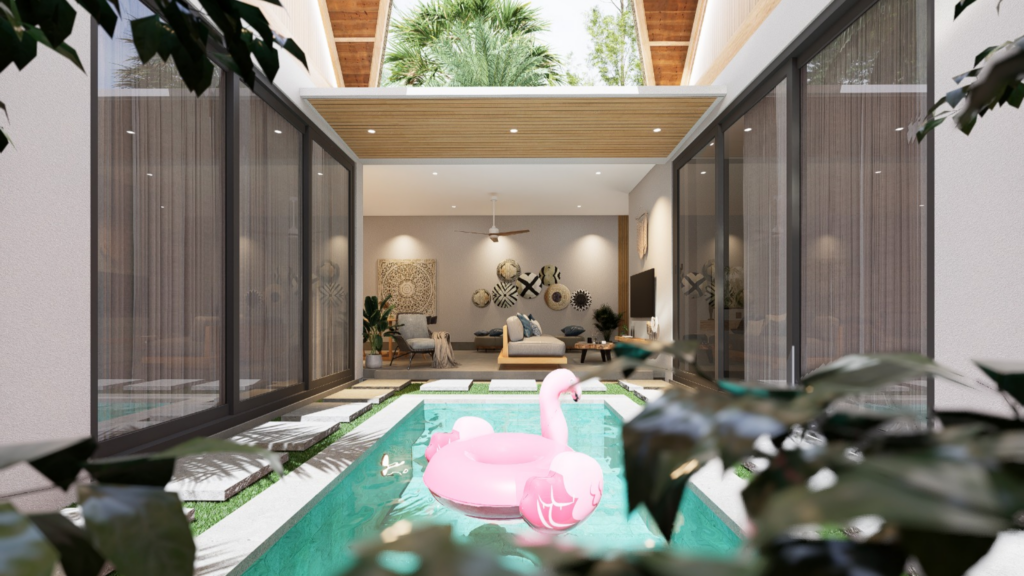
5. Exploring Bali Accommodation Near Me
5.1 Bali villas for rent vs hotels (what suits your visa + trip style)
Because your visa sets your maximum stay, it should also set your accommodation style. You should plan your visa duration first. your stay length should drive your accommodation strategy, not the other way around.
If you’re entering on VOA/eVOA (up to 30 days, extendable once), decide early whether you’re doing a short sprint or a slower month-long base.
Australians often choose Bali villas for rent because villas fit group travel and longer stays. It offers more space, privacy, and practical values like kitchens and laundry. That’s exactly why
To determine which accommodation suits you best, use this framework:
- Short stay (a few nights to 2 weeks): hotels or nightly villas for flexibility
- Longer stay (1–2 months+): monthly villa deals can be a better value, but expect utilities, deposits, and stricter terms
In addition, for a smoother entry during the immigration check, a confirmed address helps with arrival steps and customs/arrival forms.
5.2 Bali Indonesia villa for rent: short-term vs long-term rentals
Think in two buckets, then match to your visa. Most Bali Indonesia villa for rent listings fall into:
- Nightly/weekly villas (flexible, tourist-style)
- Monthly/annual rentals (better rates, but apply deposits+fixed terms)
Because most travellers arrive on a 30-day stay permit, match rental length to your visa or extension plan. This matters in peak periods. For example, BPS Bali reported Bali’s star-hotel occupancy reached 69.54% in Aug 2025 (non-star 50.26%), which can push travellers toward villa stock.
Ask hosts/agents:
- Wi-Fi speed + power backup
- Cleaning frequency + what’s included
- Contract terms, deposits, and who pays repairs (key for remote work)
5.3 Bali villas for rent long term: recommendations for longer stays
For bali villas for rent long term, prioritise fit-for-purpose areas: coworking/cafés (remote work), quieter family zones, or surf access. Start with a shorter initial term until your visa/extension is confirmed.
Long-stay checklist:
- Written agreement + deposit rules
- Maintenance response time
- Wi-Fi speed + power backup
Find nearby villa recommendations for long-term rent through the table below:
| Location | Villa / Listing | Leasehold term | Starting price (IDR) | Key features (from listing) | Who it suits (best fit) |
|---|---|---|---|---|---|
| Munggu / Badung (near Seseh, Pererenan) | Villa Munggu | 23-year leasehold (until 2048) | Rp3,800,000,000 | 2BR/2BA, furnished, private pool, ricefield views, close to beach | Best value for Canggu-adjacent living without paying “core Canggu” pricing |
| Seminyak, Badung | Sem Village Seminyak | 25 yrs + extend 25 yrs | Rp2,300,000,000 | 2BR/2BA, 122 sqm land, 93 sqm building, semi-furnished (add-on full furnish), prime access (Seminyak Beach ~10 mins), “Only 10 units left” | Best for first-timers + lifestyle: cafés, dining, walkable hubs, easy base while you learn areas |
| Pecatu, Uluwatu | Sanaya Residence | Leasehold (term not shown on page) | Rp6,700,000 | 3BR/3BA, 2 floors, pool, AC, unfurnished | Surf + lifestyle base (Uluwatu zone). Best when you want privacy and plan longer stays |
| Labuan Sait, Uluwatu (Badung) | Waits Estate Villa A | 77 yrs | Rp4,500,000,000 | 2BR/3BA, private pool + patio, guard-gated community, gym + padel + cold plunge, filtration system, 2 floors | Best for long-stay lifestyle: wellness + surf zone, more “residential feel” for people planning extended time |
| Nusa Dua, Badung | 2BR Apartment (4★ Hotel Complex) | 20-year leasehold | Rp2,700,000,000 | Hotel facilities, security, high-speed Wi-Fi, “ROI up to 15%” claim, buyback claim | Hands-off lifestyle/investment style (resort zone). Good if you want facilities + managed environment |
| Ubud, Gianyar | Mas Escape Villas | 29-year leasehold + extension | Rp4,400,000,000 | 2BR/2BA, furnished, jungle setting, enclosed living, office nook, pool | Remote work + calm routine. Good if you want nature, focus, and a slower pace |
| Sanur, Denpasar | Sanur Yearly Rental Villa | Yearly rental | Rp450,000,000 / year | 3BR/4BA, expat residential area, pool, close to beach + hospital | Families + stability. Strong option if you want a predictable long-stay base near amenities |
5.4 Tips for finding the best places to stay (and avoiding rental scams)
Scams usually involve fake listings or pressure to pay off-platform. Protect yourself by using reputable platforms, verifying the address, and keeping everything in writing, especially when renting in Bali through real estate agents Bali.
Since BPS stated that Australians remain a major demand driver in Bali travel months, this increases competition for well-priced villas and makes verified listings more valuable.
If you want vetted villa options matched to your stay length, Indo Property Hub can help you compare listings and connect with verified local providers via a secure platform.

Final Thoughts and Recommendations
To keep your visa for Bali simple in 2026, follow the same decision tree every time:
Pick the right visa for your stay length → apply only via official portals → complete arrival declarations → budget all fees → then book accommodation that fits your dates.
The fastest way to create problems is doing it in reverse (booking a long stay, then scrambling to “make the visa work”).
For Australians, best practice is boring—but it works:
- Save PDFs/screenshots of eVOA, levy receipts, and QR codes
- Track expiry dates and extension windows early
- Avoid unofficial visa websites that inflate fees or issue unusable documents
Now that your visa plan is handled, you can lock in the right stay. This matters because Bali accommodation is tight during busy travel periods, which often pushes demand toward villas and monthly rentals.
Tips for a Successful Bali Visit
Ensure the smoothness of your Bali visit by telling us your preference, and we’ll translate that into the right shortlist.
Send us your:
- Arrival date + length of stay (so the stay matches your visa window)
- Preferred area + budget (so you don’t waste time on the wrong neighbourhood)
- Whether you need Bali villas for rent or Bali villas for rent long term (so we match yearly or multiple-year terms)
From there, IndoProperty Hub helps you:
- Compare options by Wi-Fi/workspace, family needs, pool, walkability, and contract clarity
- Connect you with vetted real estate agents Bali and services (we’re a platform, not an agent).
Start with verified listings, long-term rental in Bali, the Bali property services directory, or request a free consultation!

Common FAQ’s About Bali Visa
1) Do Australians need a visa for Bali in 2026?
In most short-holiday cases, yes, Australians commonly use VOA/eVOA for tourism (single-entry, stay up to 30 days, extendable). Check official updates before you fly because rules can change.
Your visa also depends on your length of stay and purpose (tourism vs business).
2) How much is a visa for Bali?
The official VOA/eVOA fee is IDR 500,000. Your final cost varies with exchange rate and bank/card charges (the portal notes card payments may incur additional fees).
Separately, Bali has the Tourist Levy of IDR 150,000, which is not part of the visa fee.
3) Can I apply for Bali tourist visa online?
Yes, you can apply for Bali tourist visa online via the official eVOA site, pay online, and arrive with your confirmation saved.
We recommend you to apply ahead so you’re not relying on airport Wi-Fi, and avoid “agent” sites that copy government branding and inflate fees.
4) What is the All Indonesia arrival/declaration card?
It’s a digital arrival submission that helps streamline arrival processing and generates a QR code used at the airport. The official site states it must be completed online before traveling. It can be completed shortly before arrival (often cited as up to 3 days before travel) to reduce delays for families/groups.
5) Can I stay long-term in Bali on a tourist visa?
You can stay longer only if your visa type allows it. However, you can not use this visa for employement
For example, VOA/eVOA allows up to 30 days and is extendable, while other visitor visas may offer longer stays. Always match the visa index to your purpose and comply with conditions.
Planning tip: confirm your allowed stay first, then book Bali villas for rent long term (or start with a shorter initial term until extensions are approved).
6) What’s better for a longer stay: hotel or Bali villas for rent long term?
For longer stays, Bali villas for rent long term usually win on space, work comfort, and cost-per-night, especially if you need a kitchen, laundry, and a quiet workspace. Hotels can still work if you want daily services and flexible cancellation.You can find the best Bali villas for rent long term through Indo Property Hub Leashold directory
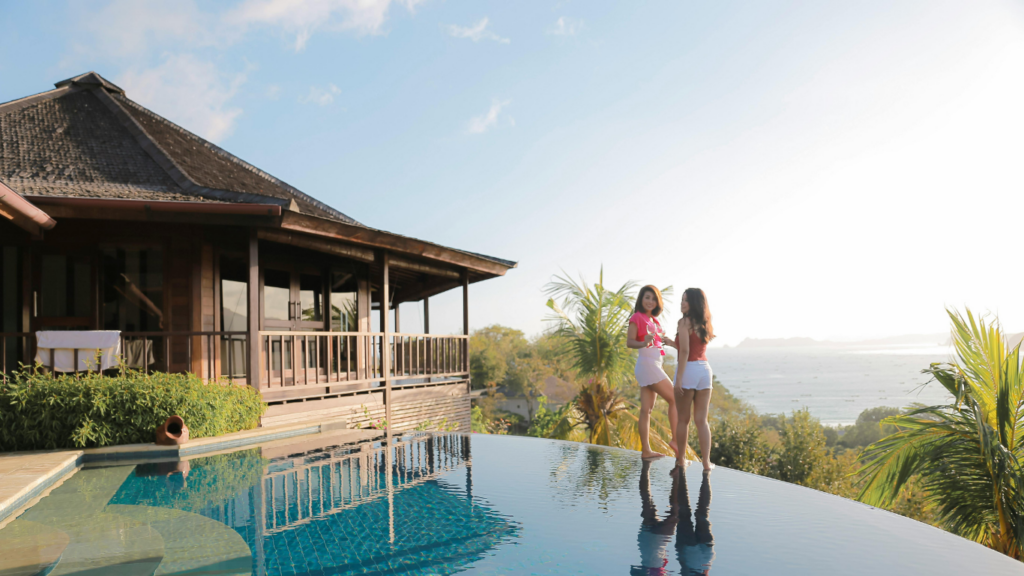
A villa in Bali (villa di Bali) isn’t just a place to sleep. It’s a private base with more space, quieter mornings, and a design that feels intentional. Often in locations where hotels can’t compete.
That matters because Bali demand stays strong. As noted by the Bali Hotels Association, foreign arrivals between January and September 2025 increased 11.5% from last year reached 5.29 million.
The top contributing market includes Australia with 22.95% share of total visitors, India with 8.08%, China with 8%, South Korea with 4.98%, and the United Kingdom with 4.73%.
On top of that, World Population Review estimated 30,000 expatriates or foreigners live in Bali, a useful indicator to show that long-term accommodation (including Bali villa investment) demand remains high.
In this guide, you’ll see everything:
- Why does a private pool villa Bali experience feel different from regular hotels or apartments? It offers privacy, layout, and lifestyle.
- Bali villa prices or harga villa di Bali across budgets, including options for cheap villa in Bali or villa murah di Bali.
- Practical side of Bali villa investment for buyers thinking long-term.
If you want a smarter way to shortlist villas, whether you’re renting now or buying later, this is your starting point.

1. Stunning Architectural Design of Villa di Bali
1.1. Blending Modern and Traditional Styles
A villa in Bali (villa di Bali) often screams “Bali” vibes the moment you walk in. It is because the design mixes clean modern lines with local details that carry meaning and warmth.
You’ll see this blend in features like:
- hand-carved wood panels and doors
- alang-alang (thatch) rooflines or tropical pavilions
- temple-inspired stonework, courtyards, and water features
Inside, the comfort stays modern. Open-plan living rooms create airflow and social space, while air conditioning, sleek kitchens, and hotel-grade bathrooms keep day-to-day living easy, especially if you’re renting in Bali for weeks or months.
This architecture also fits today’s Bali property market demand. When travel stays strong, well-designed villas stand out in search results and shortlists.
For example, Bali’s star-hotel occupancy reached 67.75% in July 2025, increased 3.10% point from June, showing consistent accommodation demand. Foreign arrivals also hit 5.29 million (Jan–Sep 2025), supporting sustained visitor flow for places with stunning architectural design.
That’s why many buyers and renters label these as some of the best villas in Bali, and why trusted real estate agents Bali often prioritize design quality when matching clients to the right villa.
1.2. Seamless Integration with Nature
A villa in Bali (villa di Bali) also feels lighter because it’s designed to live with the outdoors, not fight it. Open-plan living areas, garden courtyards, and indoor–outdoor bathrooms keep the space bright and breathable, even on humid days.
This design works in Bali’s climate. Denpasar’s long-term climate normals show an average temperature around 27.3°C (1991–2020), which is why villas prioritize airflow, shade, and greenery over enclosed rooms.
Common features you’ll see:
- large sliding doors that fully open the living space
- natural materials like stone and timber that stay cool
- outdoor lounges for dining, working, and relaxing
- views framed toward rice fields or tropical gardens
For people renting in Bali, this indoor-outdoor flow delivers the lifestyle that most apartments and hotels can’t. The villa also photographs well, which improves click-through and booking confidence.
From an investment angle, nature-led design can lift rental villa appeal in the Bali property market. Currently, according to the Journal of Tourism Economics and Policy report in 2025, 68% of hotel managers demonstrate high sustainability awareness due to clearer economic incentives.
That’s why experienced real estate agents Bali often treat “connection to nature” as a value driver, not a decoration.
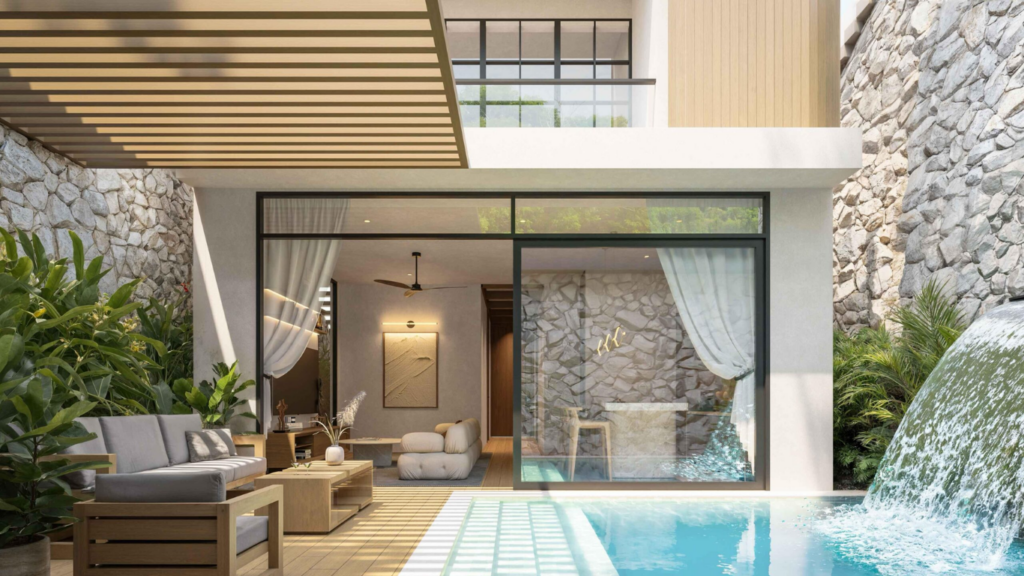
2. Private Pool Villa Bali
2.1. Why You Need a Private Pool Villa Bali
A private pool villa Bali gives you one thing hotels can’t guarantee, which is control. You get privacy, more space to spread out, and the freedom to swim on your schedule, including morning laps, late-night dips, or a quiet float between meetings.
This matters even more when you’re renting in Bali with a partner, family, or group. You avoid crowded shared facilities and “pool rules,” so the villa feels like a real home base, not a public venue.
The biggest benefits are simple:
- Privacy: no strangers, no noise spillover
- Space: separate bedrooms and living areas for comfort
- Flexibility: swim anytime, eat by the pool, and work outside
From an owner’s perspective, a private pool isn’t just a perk. It’s a demand driver in the Bali property market. Vrbo survey data in 2024 shows swimming pools are the most in-demand amenity, searched by 46% of travellers.
You also see a strong supply built around this preference. Traveloka lists around 475 “villa private pool Bali” properties, signalling how central pools are to the category.
Because of that, experienced real estate agents Bali should treat a private pool as a core feature for stronger occupancy and better nightly rates.
2.2. Types of Private Pool Villa Bali
In a villa in Bali (villa di Bali), pool choice usually follows one question: do you want a quick cool-down, daily exercise, or a family hangout zone?
The answer shapes layout, maintenance, and villa prices (harga villa di Bali), especially in premium areas.
Common pool types include:
- Plunge pools: compact pools for tight land plots and lower build costs
- Lap pools: longer pools that suit narrow villas and daily swimming routines
- Family pools: wider pools with shallow ledges/steps for safer lounging and kids
Design style also changes the feel fast. Infinity edges work best on sloped land with views, while jungle or rice-field pools lean into privacy and “natural” scenery. Some villas place the pool at the centre, so living, dining, and bedrooms all face the water.
From a cost and pricing perspective, pools are not equal. Bali construction guides commonly estimate villa build costs around IDR 6–15+ million per m² (2025), depending on finish level, and note that pools add a meaningful line item to the budget.
Pool builds are often priced separately, with contractor breakdowns estimating around $500 per m² for pool construction, before landscaping and higher-end finishes. So, pool size + view becomes a core value lever in the Bali property market, whether you’re buying or renting in Bali.
3. Diverse Villa Price (Harga Villa di Bali)
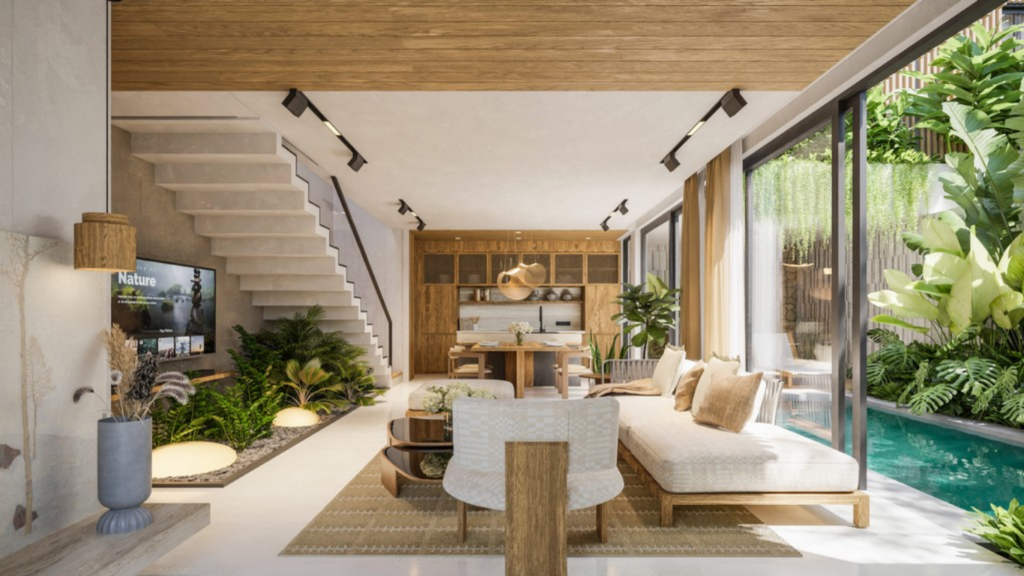
3.1. Cheap Villa (Villa murah di Bali) Options
Cheap villa (villa murah di Bali) doesn’t automatically mean “low quality.” Many budget-friendly Villa di Bali options are located a bit farther from the busiest tourist streets, or in emerging areas where land and operating costs are lower.
Prices often drop when the villa has one or more of these traits:
- simpler finishes and less “designer” detailing
- smaller land size and compact bedrooms
- shared facilities (pool, parking, lobby-style staff)
- locations outside the top hotspots like Seminyak and Canggu
This is why you should judge value by inclusions, not the nightly rate. When comparing villa prices (harga villa di Bali) in the cheap or “murah” category, check what’s bundled versus what becomes an extra cost later.
Use this quick checklist:
- Wi-Fi speed and backup options
- cleaning frequency and linen changes
- breakfast included or paid add-on
- utilities and service fees
- security, parking, and access roads
Demand for lower-cost stays is real. In July 2024, BPS reported that Bali’s non-star accommodation occupancy remained high, reaching 50.03%, a consistent uptake in the value segment.
If you’re renting in Bali long-term, ask real estate agents Bali to benchmark total monthly cost (rent+utilities+services) to avoid “cheap” deals that become expensive later.
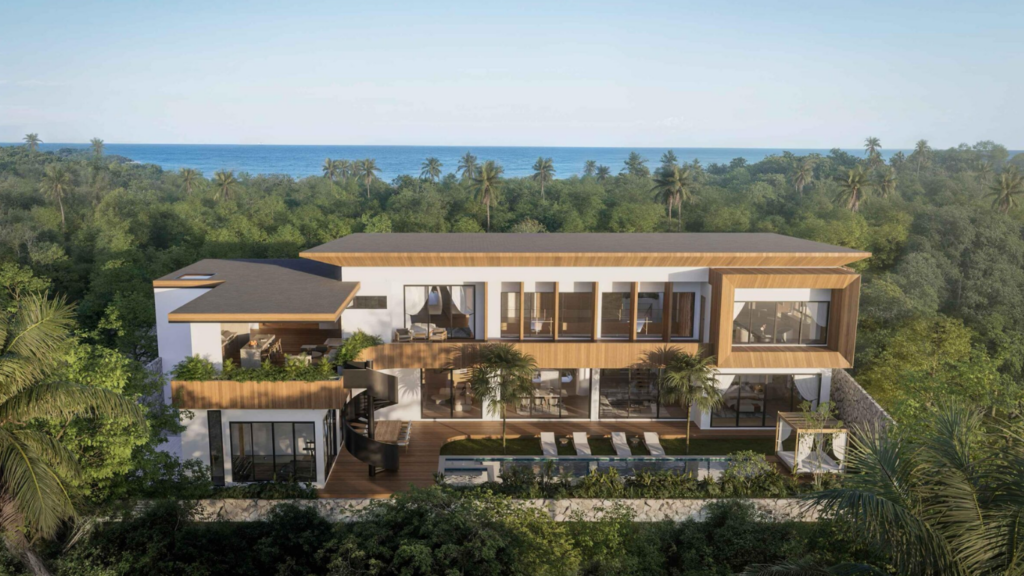
3.2. High-End Villas for Bali Villa Investment
High-end villa di Bali competes on positioning, not price. You’ll usually find them in premium pockets, with larger land, quiet access, and views that protect long-term desirability in the Bali property market.
What sets luxury stock apart:
- designer interiors with custom materials and better build quality
- larger bedrooms, stronger indoor–outdoor flow, and better privacy buffers
- full staff or concierge-style support (housekeeping, chef-on-call, driver support)
- consistent “brand feel” that matches the photos, not just the listing copy
One of the best luxury high-end villas for Bali villa investment has listed in IndoPropertyHub, the Waits Estate Villa Luxury in Uluwatu. Jaya Kusuma Sarana, contractor of The Apurva Kempinski, constructed this luxurious villa with 6 bedrooms, 10 baths, a private cold & hot plunge, pool & patio, gym & sauna, rooftop lounge, theatre room, and car garage.
This matters for a Bali villa investment strategy because luxury guests pay for certainty. According to Horwath, in Bali’s luxury segment (often all-villa resorts), ADR (Average Daily Rate) rose to USD 551 in 2023 while occupancy reached 55%. It shows pricing power even without mass-market volume.
The trade-off is a bigger upfront budget. But it often places you closer to the best villas in Bali segment, where strong positioning supports higher nightly rates and repeat demand.
To benchmark options fast, compare current freehold listings and leasehold listings, then shortlist properties with clear specs on Indo Property Hub’s main search hub.
If you need support, use the Services Directory to find real estate agents Bali and related professionals, or reach out via the contact page.
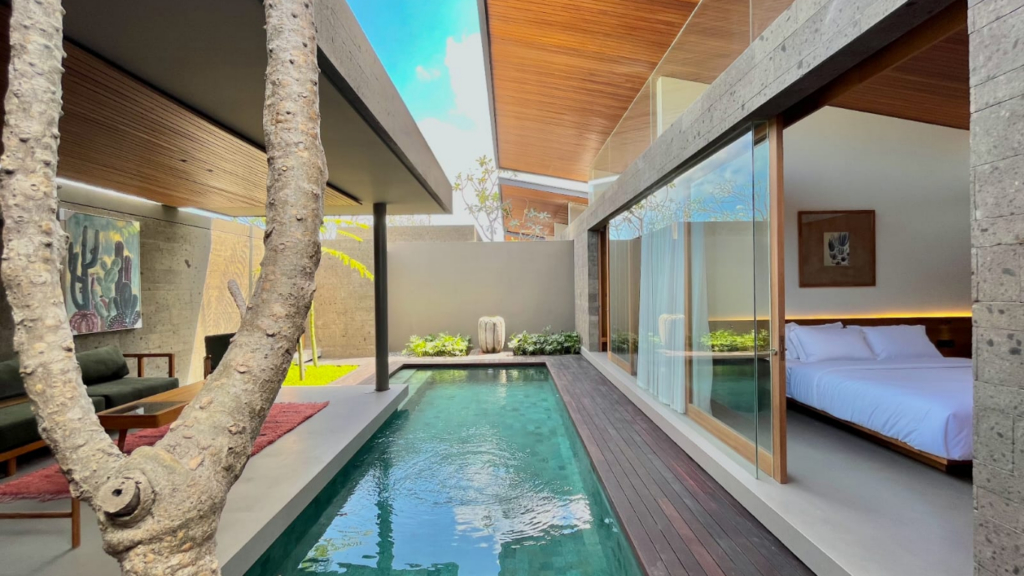
4. Strategic Locations of Villa di Bali
4.1. Canggu villas for sale: A Lifestyle Hub
Canggu villas for sale stay in high demand because the area is built for modern Bali living. You get beach clubs, café culture, gyms, and coworking spots all within short rides, plus a strong expat and digital-nomad community that keeps the area active year-round.
This lifestyle pull matters for both enjoyment and numbers in the Bali property market. NF Group’s Bali rental supply data shows North Badung (Canggu, Berawa, Padonan) averaged 59% occupancy with ADR around USD 275 (Q2 2025 report), which supports consistent rental demand when the product is well-positioned.
Canggu also offers a wide price spread. You can still find cheap villas (villa murah di Bali) options in less central pockets (or slightly inland), while premium villas cluster closer to the beach, Batu Bolong, Berawa, and the trend streets.
If you’re renting in Bali, focus on liveability basics, including access roads, noise levels, and Wi-Fi reliability. Coworking memberships in Canggu commonly range IDR 1.5–3 million/month, which shows how work-ready the area is for longer stays.
Want a real example to benchmark? View this Canggu villa listing on IndoProperty Hub. For deal safety, work with real estate agents Bali who can validate zoning, permits, and contract terms before you commit.
4.2. Natural Beauty Around Desa di Bali Villas
Village-based villas in Bali (desa di Bali villas) are built in or near traditional villages, where the backdrop is rice fields, rivers, and quieter roads. You trade the “busy strip” energy for space, slower mornings, and a more local rhythm, without losing comfort.
These locations suit guests who want nature views and authentic culture over nightlife. You’ll often find open terraces facing greenery, temple ceremonies nearby, and easier access to walking trails and local warungs. You’ll get the benefits that are hard to get in crowded tourist hubs.
Village-area villas can also make the numbers work. According to Mirra, in Ubud (a common benchmark for village-style stays), short-term rental data for Q2 2025 shows 1BR occupancy at 57% with an ADR around Rp.3.22 million or $207. It proves that “quiet” doesn’t mean “low demand.”
For buyers and long-stay guests, the value is usually in land and views. More distance from hotspots can mean a lower harga villa di Bali for larger plots, plus fewer noise and access issues—key concerns in the wider Bali property market.
If you’re renting in Bali or buying, ask real estate agents Bali to confirm access roads, zoning, and neighbour activity, so the “peaceful” promise matches real life.
5. Unforgettable Experiences of the Best Villas in Bali

5.1. Nearby Food & Dining Recommendations
Many of the best villas in Bali sit close to strong dining, so guests can switch between local warungs and international kitchens without long drives. That convenience matters for renting in Bali, because meals become part of the daily routine, not a “tourist activity.”
Food is also a real budget priority. BPS reports foreign visitors spent 19.53% of total travel spend on food and beverages in Q2 2025, second highest after accommodation spending. Hilton’s 2025 trends data also found 50% of global travellers book restaurant reservations before flights.
Here are Indo Property Hub’s nearby food & dining recommendations:
| Area | Recommendation | Address | Budget (per person) | Top picks | Best for |
| Canggu | Crate Café | Jl. Pantai Batu Bolong No.64, Canggu | IDR 25k–50k | Coffee + breakfast plates (food 40–50k; drinks 25–35k) | Quick brunch, pre-surf |
| Canggu | Milk & Madu (Berawa) | Jl. Raya Pantai Berawa No.52, Tibubeneng | IDR 35k–70k | Buttermilk hotcakes (60k+); skillet eggs (65k+); cappuccino (30k+) | Families, all-day café |
| Canggu | Warung Bu Mi | Jl. Pantai Batu Bolong No.52, Canggu | IDR 30–50k | Nasi campur / buffet-style plates (most items under 50k) | Local lunch, budget eats |
| Seminyak | Sisterfields | Jl. Kayu Cendana No.7, Seminyak | IDR 30k–200k | Acai bowl (140k); smashed avocado (127k); french toast (152k) | Brunch, café crowd |
| Seminyak | Merah Putih | Jl. Petitenget No.100X, Kerobokan Kelod, Seminyak | IDR 60k–690k | Pangsit udang or prawn dumpling (55k); bak pao sapi or beef pao (95k); bebek goreng or fried duck (120k) | Date night, Indonesian fine dining |
| Seminyak | Sarong | Jl. Petitenget No.19X, Kerobokan Kelod, Kuta Utara (Seminyak area) | IDR 25k–180k | Oyster nahm jim (100k+); tuna betel leaf (50k+); cocktails from 115k+ | Upscale dinner, cocktails |
| Ubud | Clear Café | Jl. Hanoman No.8, Ubud | IDR 35k–100k | Fish & chips (70k); sushi rolls (55–90k); tuna dishes (70–100k) | Healthy- friendly, casual brunch and dinner |
| Ubud | Zest | Jl Raya Penestanan Kelod No.8, Ubud | IDR 50k–110k | Avocado toast (88k); kitchari (78k); burger + fries (108k) | Vegan/plant- based, lifestyle crowd |
| Ubud | Sayuri Healing Food | Jl. Sukma Kesuma No.2, Peliatan, Ubud | IDR 27k–100k | Nourish bowl (95k); ocean bowl (95k); raw lasagna (85k) | Raw/plant- based, wellness stays |
In villa listings, call out nearby dining clusters, because this lifestyle signal can support higher nightly rates in the Bali property market.
For pricing and location comparisons, browse villas by area on IndoProperty Hub, then ask real estate agents Bali to validate access and neighbourhood fit.

5.2. Bali Activities Recommendation and Bali Attractions Recommendation
A villa in Bali (villa di Bali) sells the experience, not just the bedrooms. Beach days, surfing, yoga, spa treatments, temple visits, waterfalls, and rice-terrace walks are the activities guests plan around. Thus, the listings should show what’s nearby, not just what’s inside the gate.
Experience-led travel is growing fast. The Global Wellness Institute estimates wellness tourism hit $651B in 2022 and forecasts it to reach $1.4T by 2027 (CAGR 16.6%), which explains why yoga and spa access can lift demand for the best villas in Bali segment.
| Area | Activity/spot | Address | Budget | Best for |
| Canggu | Nyangko Surf lesson (group) | Canggu (Berawa & Batu Bolong Beach area) | IDR 350k/ 2 hours | Beginners, quick activity |
| Canggu | The Beat Yoga class | Jl. Batu Bolong No.94A, Canggu | IDR 140k/ drop in class | Wellness + routine |
| Canggu | Finns Beach Club’s sunset | Berawa Beach, Canggu | Free entry (cocktail prices vary) | Sunset, social time |
| Seminyak | Beach day | Petitenget Beach, Seminyak | IDR 2k–5k parking | Easy sunset |
| Seminyak | Potato Head Beach Club’s sunset | Petitenget, Seminyak | IDR 250k peak (redeemable) | Sunset + pool vibe |
| Seminyak | Body Works’ spa package | Lebak Sari No.3, Petitenget, Badung, Bali 80361, Indonesia | IDR 1.0M+ to 2.6M+ | Recovery day |
| Ubud | The Yoga Barn’s class | Jl. Sukma Kesuma, Peliatan, Kecamatan Ubud, Kabupaten Gianyar, Bali 80571 | IDR 165k/ drop in class | Daily practice |
| Ubud | Rice-terrace walk | Tegalalang, Gianyar | IDR 15k–20k | Nature + photos |
| Ubud | Temple visit | Tampaksiring, Gianyar | IDR 75k/ adult | Culture + ritual |
The more “doable” these activities are, the stronger the appeal in the Bali property market, and the easier it is for real estate agents Bali to position a villa for repeat guests and higher-value stays.
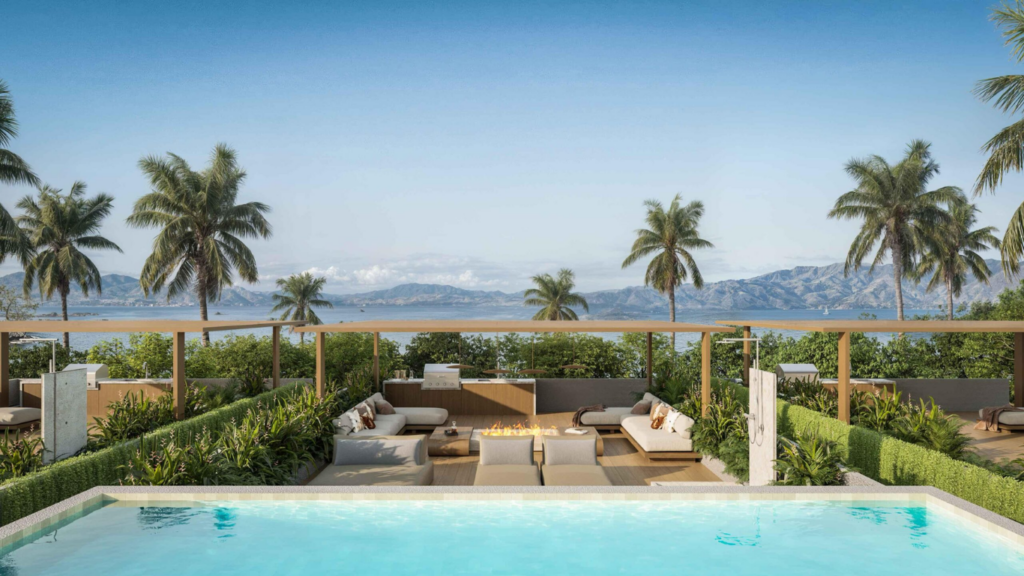
6. How’s Bali Villa Investment Potential?
6.1. Profitable Bali Villa Investment Opportunities
Bali villa investment attracts buyers because Bali’s brand supports steady demand for private-villa stays, and the upside can come from both rental income and price growth in the Bali property market.
Instead of relying on visitor headlines, look at market signals. Bank Indonesia’s Bali Residential Property Price Index (IHPR) grew 1.08% YoY in Q3 2025, showing ongoing upward pressure on housing prices. Bank Indonesia also recorded Bali’s commercial property price index at 122.13 in Q4 2024 (+8.46% YoY), driven by rising rents across retail, apartments, hotels, and offices.
Profitability depends on fundamentals, not just buying any villa di Bali you see online:
- Location + access: noise, road width, walkability
- Design quality: privacy, pool, layout, maintenance load
- Pricing + management: dynamic rates, reviews, reliable ops
Find your profitable villa di Bali through Indo Property Hub
Before you buy, decide if you prioritize lifestyle use, rental income, or a mix—especially if you’ll also be renting in Bali part-time. Then involve real estate agents Bali who can validate zoning, permits, and contracts before you commit.
6.2. Bali Property Market Trends
The Bali property market is being shaped by longer-stay demand, not only holiday spikes. Remote workers and digital nomads want villas that feel liveable, with quiet streets, reliable internet, walkable cafés, and gyms. So, lifestyle amenities now influence harga villa di Bali as much as land size.
Supply is also getting more competitive. According to NF, villa dominate the rental landscape with 78% share since Q1 2025. Its average daily rates range from $7.7 for 1BR to $701 for 6BR. The average monthly occupancy of Bali’s rental landscape is rising from 48% in Q1 2025 to 54% in Q2 2025. It suggests stabilized demand across the residential rental sector.
That’s why areas with improved access and better “daily life” infrastructure tend to hold demand longer. Buyers looking at Bali villa investment should prioritize:
- travel time to beaches, dining, and coworking hubs
- road width, drainage, and parking practicality
- noise exposure and zoning stability
Regulations can shift the math, too. Indonesia’s Remote Worker Visa (E33G) has been in effect since 1 April 2024, allowing eligible foreigners to live in Indonesia while working for overseas employers.
Work with real estate agents Bali who track these changes, especially if you plan to mix personal use with renting in Bali.

Conclusion: Why Villa di Bali Is Worth Considering
A Villa di Bali is worth considering because it combines lifestyle and practicality in one product. You get distinctive design, a private pool villa Bali feel, and smarter location choices—from lifestyle hubs to quieter village settings.
The key advantage is flexibility. You can match your goals to your budget, whether you want a cheap villa (villa murah di Bali) for holidays, a long-stay base, or a Bali villa investment, and play with stronger positioning.
What makes the difference is how you choose. Instead of falling for photos, evaluate the fundamentals that shape real outcomes in the Bali property market:
- location access (noise, road width, walkability)
- design quality (privacy, layout, pool usability)
- operating readiness (staffing, maintenance, internet, reviews)
Longer-stay patterns support villas that feel liveable, not just “Instagrammable.” If you’re comparing options, shortlist by purpose first: holiday use, renting in Bali for longer term, or investment.
Then let trusted real estate agents Bali pressure-test the details, including zoning, permits, access rights, and contract structure, before you commit.
Find Your Ideal Villa di Bali with Indo Property Hub
Ready to explore? Start by browsing verified opportunities on Indo Property Hub. Compare freehold options and leasehold opportunities, or explore the Services Directory to connect with vetted agents and support services.
Want personalized recommendations, from budget stays to Canggu villas for sale and investment-grade villas? Message us on WhatsApp (or call) at +6282146588790, or email admin@indopropertyhub.com via our contact page.
Share your budget, preferred area, and purpose, and we’ll match you with the best villas in Bali for your needs, through a secure, comparison-friendly platform (not as a direct agent or property manager).

FAQ About Villa di Bali
1. How much does a villa di Bali usually cost per night?
Bali’s villa prices (Harga villa di Bali) vary widely, from cheap villas (villa murah di Bali) (often smaller, simpler, or farther from hotspots) to premium villas in central Canggu, Seminyak, or Ubud.
As a benchmark, Bali’s hotel ADR averaged ~IDR 2.4 million in 2024, which helps you sanity-check villa pricing by season and location
Always compare what’s included: Wi-Fi, cleaning, breakfast, taxes, and any service fees.
2. What makes a private pool villa Bali different from a hotel?
A private pool villa Bali gives you more space (living room, kitchen, outdoor area) and real privacy. No shared pool and no crowded facilities. That’s why it’s popular for couples, families, and groups who want a home-like feel while renting in Bali.
3. Is villa murah di Bali always far from the main area?
Not always. Some cheap villa (villa murah di Bali) options are cheaper because they’re smaller, more basic, or tucked into quieter side streets rather than prime tourist strips. For better value, compare emerging pockets and Bali village (desa di Bali) areas where land and noise pressure are lower.
4. Which area is best if I want to stay in a villa di Bali for remote work?
Canggu and Berawa work well if you want cafés and coworking nearby, while Ubud suits a calmer routine with more nature.
Prioritize reliable Wi-Fi, quiet streets, and practical access over “famous” location names.
5. Is buying a villa di Bali a good investment?
A Bali villa investment can work because private villas stay in demand for holidays and longer stays, but returns depend on location, design quality, pricing, and management. Treat it like a real business in the Bali property market, not just a dream purchase.
One of the best villas in Bali for Bali villa investment that we’d recommend is Waits Estate Villa A, it opens for leasehold and freehold, attainable by both foreigners and locals. It’s located in a strategic location and offering luxurious lifestyle.
6. How do I choose between a villa di Bali for holiday vs investment?
For holidays, choose based on your lifestyle, area vibe, comfort, and privacy, then treat rentals as a bonus. For investment, start with target guests, occupancy potential, pricing strategy, and management readiness, and lean on real estate agents Bali to verify zoning, permits, and contract structure.

The real estate market in Indonesia looks attractive from the outside due to fast-growing cities, booming tourism, and headlines about rising villa returns.
Analysts expect the real estate market in Indonesia to reach around USD 64.78 billion in 2024 and keep growing at about 5.82% per year to 2029, according to Cekindo’s Indonesian real estate report.
But if you’re asking, can foreigners buy property in Indonesia, and how they actually do it legally, the answer is more complex.
Foreigners face strict land-ownership rules, but there are regulated paths, such as Hak Pakai, long leases, and PT PMA structures, that can still support serious property investment in Indonesia.
This guide breaks down how buying property in Indonesia for foreigners actually works:
- Which ownership structures are legal?
- How are regulations changing?
- What does the property tax in Indonesia look like?
- The key steps from shortlisting a villa or apartment to signing the final deed.
Most importantly, you’ll see the common traps that cost foreign buyers time, money, and sleep. The goal is to help you avoid them so you can make clearer, safer, and smarter property investment in Indonesia decisions before you move or invest.
Understanding the Real Estate Market in Indonesia
By the end of May 2021, the Ministry of Public Works and Public Housing (PUPR) recorded 312,290 housing units, contributing IDR 468.22 trillion (USD 29.85 trillion) to GDP in 2021.
Urbanisation and new infrastructure corridors around Jakarta, Bali, IKN (Nusantara Capital), Surabaya, Tangerang, and secondary cities keep driving long-term housing demand.
For lifestyle and rental plays, foreigners buy property in Indonesia mainly in Jakarta, Bali, Batam, and a few emerging tourism hubs.
Bali alone attracted over 5.2 million international visitors and over 9.4 million domestic tourists in 2023, sharply boosting occupancy and daily rates for villas and holiday rentals, according to Tempo’s coverage of Bali overtourism.
Jakarta appeals for business and expat housing, while Batam benefits from proximity to Singapore and special economic zones.
Choosing the right city and micro-location directly shapes the outcome of your property investment in Indonesia. Capital growth, year-round rental demand, and realistic exit options can look very different between a central Jakarta apartment, a Canggu villa, and a speculative plot in an unproven area.

How Foreigners Buy Property in Indonesia Legally
For clarity, can foreigners buy property in Indonesia?
Yes, but only under specific legal frameworks. Foreign buyers cannot hold freehold (Hak Milik) land. Instead, buying property in Indonesia for foreigners must use regulated rights such as:
- Hak Pakai (Right to Use),
- Hak Guna Bangunan (Right to Build) via a PT PMA (Foreign Investment Company)
- Long-term leasehold structures, or
- Mixed marriage ownership with Indonesian permanent residence
Here’s the detailed comparison between the options:
| Aspect | Hak Pakai (Right to Use) | HGB via PT PMA (Right to Build) | Long-term Leasehold (Hak Sewa) |
| Who holds it? | Eligible foreigners, Indonesian individuals/entities | PT PMA (foreign-owned company). | Any party (foreigner or Indonesian) via contract. |
| Nature of right | Registered real right to use land/building. | Registered real right to build and use on land. | Contractual right to use property for a term. |
| Typical duration | 30 years + extensions up to ~80 years (subject to approval). | 30 years + extensions/renewals up to ~80 years. | Commonly 25–30 years initially, with optional extensions if agreed. |
| Use/live | Residential or approved use as per license and zoning. | Residential or commercial use aligned with PT PMA’s business scope and zoning. | Residential or commercial use as defined in the lease and zoning. |
| Rent out | Possible if zoning/licence allows. Good for mid–long-term rental. | Designed for rental/operational business (villas, hotels, commercial). | Subletting is allowed only if written in the lease. It varies by contract. |
| Sell/transfer | Right can usually be transferred to another eligible party, with tax implications. | PT PMA can sell the HGB or transfer company shares. | The remaining lease term may be assigned if the contract permits. |
| Inheritance | Can pass to heirs who meet requirements. Otherwise, it must be transferred or released. | PT PMA shares can be inherited or transferred. | A lease can be inherited if the contract allows and the heirs accept the terms. |
| Registration | Recorded at the land office. Appears on the certificate. | HGB registered at the land office in PT PMA’s name. | Usually not a land title. Based on a notarial lease contract. |
| Main advantages | Clear, registered title for individuals. More “ownership-like” than a simple lease. | Strong control for business, bankable for some commercial financing. | Simpler setup, common in Bali and tourist markets, lower entry cost. |
| Key risks/limits | No freehold. Depends on policy and proper renewals. | Higher setup and compliance costs. Must maintain the company and reporting. | Purely contractual. Renewal is not guaranteed, with high dependence on the landlord and contract quality. |
| Best suited for | Foreign individuals wanting regulated long-term use of a home/unit. | Investors running structured property investment in Indonesia (rental/operating assets). | Lifestyle buyers and smaller investors are comfortable with lease risk and contract complexity. |
To protect your position when foreigners buy property in Indonesia, it is critical to use these recognised structures and avoid informal nominee setups, which legal experts warn are risky, unenforceable, and can lead to total loss of control over the asset.
Heybali reported that in 2025, there were 30 people who became the victims of Bali investment scams, losing more than USD 5 million. This only came from one property scam case through ghost permits and a crypto conundrum.

Step-by-Step Guide to Buying Property in Indonesia for Foreigners
A smart step-by-step guide to buying property in Indonesia for foreigners starts with clarity. Decide whether the asset is for your own use, mixed-use, or pure rental, then set a realistic budget including taxes and legal fees.
Shortlist regions that fit your goals. For instance, Jakarta for business, Bali for lifestyle and tourism demand, and Batam for proximity to Singapore as an easy international exposure.
Next, research suitable listings through trusted channels. You can use leasehold property listings on Indo Property Hub to explore vetted options and compare areas side by side.
Throughout buying property in Indonesia for foreigners, work with:
- A licensed real estate agent (market access, negotiation)
- A notary/PPAT (deeds, registration, title checks)
- Independent legal counsel (structure, compliance, risk)
This team protects your property investment in Indonesia from defective titles and illegal nominee arrangements.
As foreigners buy property in Indonesia, it’s safer to rely on licensed agents, reputable developers, and vetted online platforms rather than informal contacts, which are often linked to disputes and unclear titles.
You can find reputable developers and reliable local-based property agents through the Indo Property Hub services directory.
Once you select a property, the flow usually is:
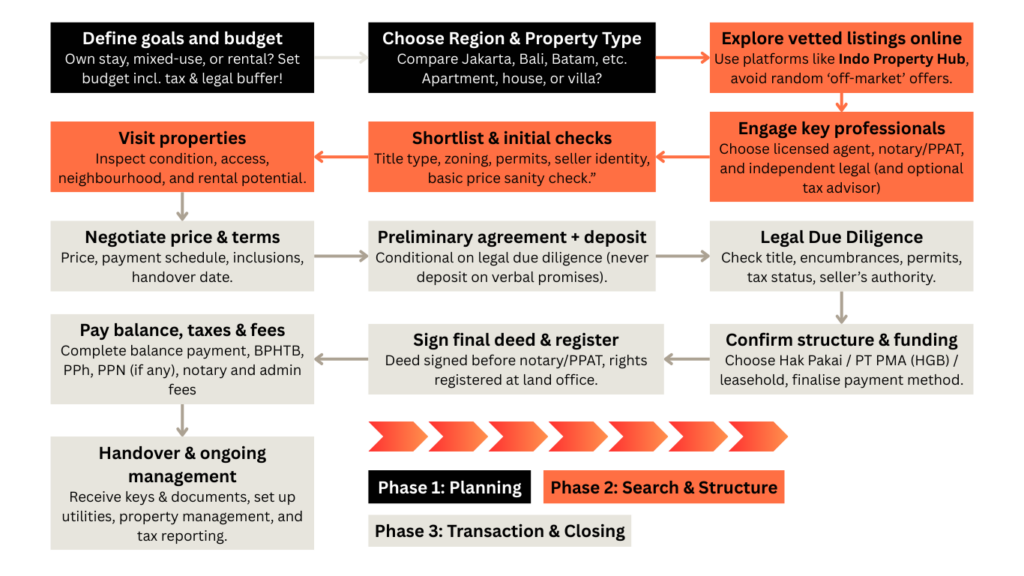
Following these steps keeps your transaction structured, well-documented, and significantly lower risk.

Property Tax in Indonesia: What Foreign Buyers Must Know
When foreigners buy property in Indonesia, tax is a full stack of charges you must budget for. The core property tax in Indonesia is the annual land and building tax (PBB), typically around 0.1–0.5% of the government-assessed value (NJOP), as outlined in Eastern Edge’s guide to Indonesia property tax.
On acquisition, buying property in Indonesia for foreigners usually triggers transfer-related taxes and fees. The BPHTB (Duty on the Acquisition of Land and Building Rights) at 5% of the taxable property value, while sellers are subject to final income tax (PPh) of around 2.5% of the transfer value.
New or off-plan units from VAT-registered developers can also attract PPN (VAT) at an effective 11%, although there are temporary incentives for certain housing segments.
For rental-focused property investment in Indonesia, non-residents are generally taxed at 20% final withholding on gross rental income, while PMA (corporate ownership) rental profits are taxed under Indonesia’s standard corporate tax rate, currently 22%.
Because all these charges directly shape your net yield and exit proceeds, buying property in Indonesia for foreigners should always start with a realistic tax model
The safest approach is to work with a tax advisor who understands foreign ownership structures so your property tax in Indonesia position stays compliant and optimised for long-term returns. You can connect with tax advisors through the Indo Property Hub services directory.

Conclusion: Common Mistakes in Property Investment in Indonesia for Foreigners
Many problems in property investment in Indonesia start with avoidable mistakes. Foreign buyers still get talked into informal nominee schemes, skip proper due diligence, or rely on WhatsApp promises instead of signed contracts.
In a fast-growing real estate market in Indonesia, the cost of being “casual” can be very high. Common red flags include:
- Using nominees instead of legal Hak Pakai, PT PMA, or leasehold
- No independent legal review or title check
- Ignoring zoning, building permits, and property tax in Indonesia
- Paying large deposits on verbal agreements only
Before committing, every buyer should ask:
What is my exit plan?
Think about your timeline, target price, and who your realistic resale market will be before finalising any buying property in Indonesia for foreigners decision.
You don’t need to figure out how foreigners buy property in Indonesia alone, especially on legal structures, tax, and area selection. IndoProperty Hub is a neutral marketplace, not an agent, helping you:
- Compare areas,
- Explore different property types and listings
- Discover ownership options that fit your goals via freehold and other structures
Reach out via WhatsApp or email through our contact page, share your budget, plan, and preferred locations, and let IndoProperty Hub connect you with vetted projects, local agents, and real-estate service providers via the services directory.
That way, you move forward with more clarity and less risk!
FAQs About How Foreigners Buy Property in Indonesia (Quick Answer & 2025 Context)
What Foreigners Should Avoid When Investing
Foreigners should:
- Avoid informal nominee schemes where an Indonesian holds freehold land “on behalf of” them. This is risky and not a secure property investment in Indonesia.
- Never buy without proper due diligence on land titles, zoning, permits, and seller identity.
- Don’t chase only “cheap deals” without understanding the real estate market in Indonesia and realistic rental or resale demand.
Can a Foreign Buyer Sell Property in Indonesia?
Yes, in most cases, a foreign buyer can sell their rights or interests, depending on the structure used. For instance, leasehold rights, Hak Pakai, or shares in a PT PMA.
You should factor in market conditions, taxes, and closing costs, and plan your exit strategy early so foreigners buying property in Indonesia know how and when they can resell.
Can foreigners buy property in Indonesia legally?
Yes, foreigners can buy property in Indonesia, but only under specific schemes such as Hak Pakai (right-of-use), long-term leasehold, or via a PT PMA (foreign-owned company).
These give usage and often rental rights, but are different from full freehold ownership reserved mainly for Indonesian citizens.
Can foreigners own freehold land in Indonesia?
In general, freehold land (Hak Milik) is reserved for Indonesian citizens, not foreigners. Instead, foreigners buy property in Indonesia using long-term leases, Hak Pakai, or PT PMA structures to control and use property while staying within the law.
How much tax do foreign property owners pay in Indonesia?
Foreign owners may face several charges, including annual property tax in Indonesia, transfer taxes on buying/selling, and income tax on rental income.
The exact amounts depend on property value, location, and ownership structure, so it’s essential to model costs early and confirm with a local tax advisor via the Indo Property Hub services directory before committing to buying property in Indonesia for foreigners.
Is it safe to use a nominee to buy property in Indonesia?
Using informal nominee arrangements (putting freehold in an Indonesian’s name for a foreign buyer) is legally risky and not recommended.
To build safer property investment in Indonesia, foreigners should stick to recognised structures such as Hak Pakai, leasehold arrangements, or PT PMA instead.
How long does the buying process take for foreigners?
Once you’ve chosen a property and documents are in order, the process for foreigners buying property in Indonesia typically takes from a few weeks to a few months. Timelines depend on due diligence, fund transfers, notary/PPAT schedules, and how complex your chosen ownership structure is. Using a platform like Indo Property Hub can help make the process quicker and more reliable.

Bali property investment today goes far beyond Instagram villas. The property sector gained revenue of $142 million in June 2024, increasing 33% from the previous month.
Investors now buy and develop villas, guesthouses, Bali vacation homes, land, and commercial spaces across hotspots. It includes Canggu, Seminyak, Ubud, and Uluwatu, driven by tourism and lifestyle demand.
Bali welcomed over 16 million visitors in 2024 (domestic and international), which keeps both Bali real estate for sale and Bali real estate for rent in high demand.
But behind the glossy images, the reality is more complex. This guide looks honestly at the pros and cons Bali property investment, not just the “dream” often sold on social media.
You’ll see how the Bali real estate market has evolved, the recent Bali property price growth last 10 years, what realistic returns look like for Bali villa investment, and the real challenges. Those include legal structures, taxes, and Bali property management.
Use this as a practical starting point before you invest in Bali, decide to buy house Bali, compare Bali property for sale, or walk away and choose a different market altogether.
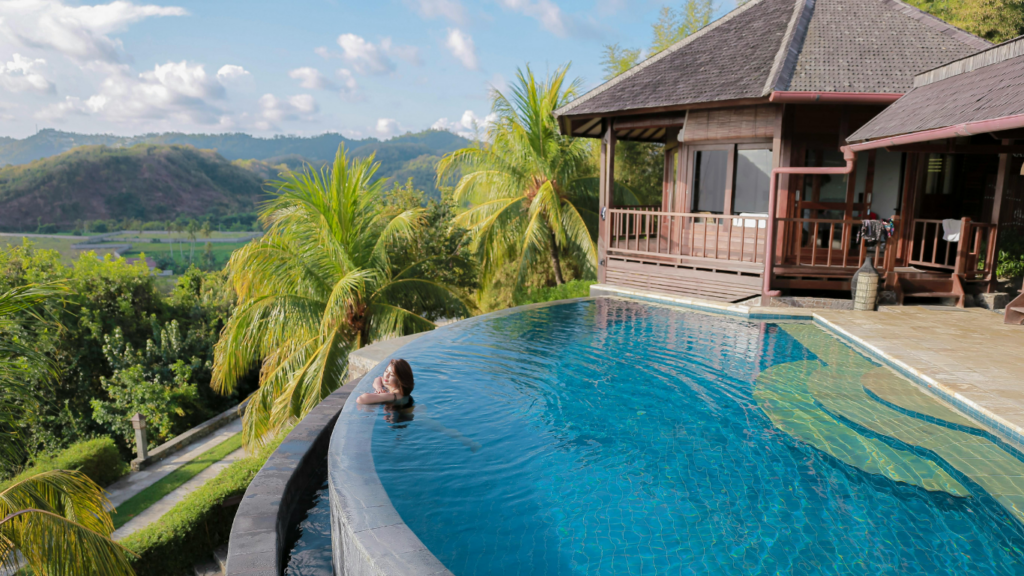
Understanding the Bali Real Estate Market
Overview of the Bali Property Landscape
The Bali real estate market is concentrated in a few core corridors. Canggu and Seminyak attract Bali vacation homes, villas, co-living spaces, and cafés, while Uluwatu focuses on surf and clifftop resorts.
Ubud leans toward wellness retreats, guesthouses, and boutique villas surrounded by rice fields and jungle. Together, these areas form the heart of modern Bali property investment.
Demand for both Bali real estate for sale and Bali real estate for rent is driven by tourism, lifestyle, and improving infrastructure. In the fourth quarter of 2024, BPS Bali reported economic growth of 5.19% from the previous year.
Bali has become one of the world’s most popular destinations for remote workers and digital nomads. It’s supported by Indonesia’s tourism boom, where Indonesia’s travel and tourism market grew 29.5% from 2023 to nearly IDR 1,008 trillion in 2024.
This mix of lifestyle appeal and economic reliance on tourism underpins ongoing development in key Bali corridors.
Historical Price Growth in the Last 10 Years
Over the past decade, the Bali real estate market has shifted from “affordable paradise” to a recognised global lifestyle and investment destination.
As of September 2025, prices for Bali property for sale have increased by 50% over the last five years, especially in top locations. Specifically in prime areas like Canggu and Seminyak, the average villa prices range from $250,000 to $770,000.
Recent data suggests property prices in popular areas can grow 7–15% annually as of mid-2025. It is supported by tourism recovery, digital nomads, and infrastructure development.
Although Canggu and Seminyak are the prime areas, they only have a moderate appreciation rate. Meanwhile, emerging areas like Tabanan and Pererenan offer higher growth potential. Denpasar continues to offer the highest growth with 20% rates.
However, Bali property price growth last 10 years has not been a straight line. Global crises, travel bans, and shifting regulations have all created short-term dips, reminding anyone who wants to invest in Bali that past performance in the Bali property investment market never guarantees future returns.
Comparison of Bali Real Estate for Sale vs. Rental
When you buy Bali real estate for sale, you treat the asset mainly as a long-term store of value. The focus is capital appreciation over 10–20 years, plus the option to exit at a higher price later.
Rental income still matters, but it usually supports holding costs and boosts overall returns rather than being the primary goal.
By contrast, targeting Bali real estate for rent means optimising for regular cash flow. For many owners, this “income first” approach turns their Bali property investment into a small hospitality business.
Well-located villas and apartments in established tourist zones can generate gross rental yields in the high single to low double digits, depending on occupancy and pricing. In 2023, Bali’s hotels achieved a remarkable 75% average occupancy with demand peaking in September at 84.1%.
High occupancy rate increases the Average Daily Rates (ADR) at the same time. It rocketed by nearly 10% to IDR 2.4 million, especially in July and August, hitting IDR 2.8 million.
In practice, investors often combine both strategies. They buy or build Bali vacation homes that they can use for a few weeks each year, then rent them out the rest of the time. This hybrid model lets them enjoy the lifestyle benefits of owning in Bali while still pursuing long-term capital growth and ongoing cash flow.

4 Pros of Investing in Bali Property
#1 Strong Demand for Bali Vacation Homes
Bali’s position as a global holiday and wellness destination drives steady demand for Bali vacation homes and villas. Areas like Canggu, Seminyak, Ubud, and Uluwatu attract tourists, digital nomads, and long-stay guests who want beaches, cafés, yoga, and coworking in one place.
Travel behaviour also supports Bali real estate for rent. Industry data shows 33% of travelers and 59% of families now prefer vacation rentals and entire homes over hotels for privacy and space.
This shift benefits well-designed villas and apartments that offer reliable Wi-Fi, good design, and professional service.
When a Bali villa investment is well-located, well-managed, and consistently reviewed, repeat guests and word of mouth can keep occupancy strong. That combination turns Bali vacation homes into both a lifestyle asset and a more resilient income stream.
#2 Potential High Returns on Villa Investment
A well-planned Bali villa investment can generate attractive income through nightly and monthly rentals, especially in Canggu, Seminyak, Uluwatu, and Ubud.
Recent market analysis shows gross rental yields around 7–15% in popular tourist zones, with villas often outperforming apartments and long-term leases.
Design and positioning are critical. Villas with private pools, modern layouts, and Instagrammable features usually achieve higher nightly rates and stronger occupancy.
Strong branding, professional photos, and reliable guest amenities help push these properties to the top of booking platforms and support premium pricing.
For many investors, the real upside is combining rental income with Bali property price growth, where some sources estimate total annual ROI (rental yield plus appreciation) in the 10–15% range for well-located assets.
But villa investment Bali remains highly dependent on location, build quality, pricing strategy, and professional Bali property management. Weak operations or bad reviews can quickly drag those numbers down.
#3 Benefit from Bali Property Price Growth
The Bali real estate market has moved from niche to global in the last decade, with many prime areas showing consistent appreciation. Recent data points to average annual price increases of around 5–8% in key tourist zones such as Canggu, Seminyak, and Ubud.
For investors, this means a well-chosen Bali property investment in high-demand or up-and-coming neighbourhoods can gain value over time. Infrastructure improvements often trigger the next wave of price growth in specific pockets of the island.
However, benefiting from Bali property price growth last 10 years is not automatic. To truly gain from future appreciation when you invest in Bali, you need good timing, thorough due diligence, and discipline on entry price, rather than buying the first “dream villa” you see at an emotional intuition.
#4 Diverse Investment Opportunities (Freehold vs. Leasehold)
Indonesia offers several legal paths for Bali property investment. Freehold (hak milik) gives full land ownership and is generally limited to Indonesian citizens.
Meanwhile, foreign investors usually rely on leasehold, Hak Pakai, or PT PMA structures with terms commonly 25–30 years plus extensions.
This flexibility shapes the landscape of Bali property for sale. Investors can choose raw land, off-plan villas with staged payments, completed villas with rental history, or apartments in mixed-use projects, each under different ownership schemes.
Each route has a very different risk and return. Consult transparently with your legal advisor.
Freehold or HGB can offer stronger control but higher entry costs and more regulatory work, while leasehold reduces upfront capital but loses value as the lease shortens.
In addition, off-plan units may bring better pricing but higher delivery risk than completed villas or apartments, so investors must understand these trade-offs clearly before they commit.

4 Cons of Investing in Bali Property
#1 Market Volatility and Risks
Bali’s economy is heavily exposed to tourism, with estimates showing the sector contributes around 55–60% of Bali’s GDP since 2016-2022. When visitor numbers drop, pressure flows quickly through to hotels, villas, and other Bali real estate for rent.
The COVID period is a clear warning. International visitors to Bali fell from 6.28 million in 2019 to about 1.07 million in 2020, an almost 83% drop that crushed rental demand and forced many villa owners to slash rates or sit empty.
Short-term rental data shows the market is now recovering with an annual revenue increase of 12.37% over 2022 to 20224, but is still highly sensitive to global travel conditions.
Foreign investors also face currency risk. Fluctuations in the Indonesian rupiah directly affect buying power, loan repayments, and real returns for overseas buyers in Bali’s property market.
If tourism slows or new projects flood specific areas, property values can stagnate or decline, especially in overbuilt villa corridors. In those cycles, investors who invest in Bali at peak prices may need to hold longer, accept lower rents, or exit at a discount.
#2 Challenges with Bali Property Management
Owning a villa in Bali is not a “set and forget” investment. Day-to-day Bali property management means handling maintenance, cleaning, staff coordination, guest communication, marketing, and financial reporting.
A recent operating-cost guide shows a typical 2-4 bedroom villa in Bali can incur USD 1,500–3,500 per month in running costs once staff, utilities, and upkeep are included.
Managing from abroad adds another layer of risk. Absentee owners often struggle with miscommunication, limited local networks, and inconsistent service standards, which can lead to delayed repairs, confused staff, and poor guest experience.
Poor Bali villa management quickly shows up as bad reviews, property damage, lower occupancy, and higher unforeseen costs.
Professional management companies can solve much of this, but typically charge 20–30% of gross rental revenue as fees, which reduces net ROI even as it helps protect the asset and brand.
Indo Property Hub offers help in finding an affordable, trustworthy, and professional villa management. Find it through our services directory.
#3 Legal Considerations for Foreign Buyers
Foreigners cannot directly own freehold land (hak milik) in Indonesia, so Bali property investment usually happens via leasehold contracts, Hak Pakai titles, or PT PMA companies.
Typical leasehold terms run 25–30 years with options to extend, while a PT PMA can hold HGB or Hak Pakai and legally operate a rental business.
Using the informal “nominee” arrangements where a local holds the title for a foreign buyer can create serious legal and ownership risks. These setups are widely flagged by lawyers as unsafe and potentially unenforceable if a dispute arises.
To reduce risk in the Bali real estate market, investors should work only with reputable notaries, lawyers, and licensed agents who understand local regulations. Find them in Indo Property Hub’s services directory.
Patience with paperwork, permits, and compliance is essential. Rushing or cutting corners to invest in Bali quickly can lead to long-term legal problems that are far more expensive than doing it properly from the start.
#4 Potential for Oversupply in Villa Market
In some of Bali’s most popular areas, Bali vacation homes and villas are being built at a rapid pace. One 2025 market update estimates over 70,000 villas listed in Bali, up 17.5% year-on-year, with especially heavy concentration in Canggu and nearby corridors.
This surge in supply increases competition and encourages price undercutting. The same report notes average villa occupancy dropping to the mid-60% range, while guests negotiate harder on rates in saturated markets.
Generic or poorly marketed villas in these areas often struggle to attract bookings and can sit empty despite strong overall tourism.
For Bali property investment to remain viable, investors need to differentiate. Use Indo Property Hub to promote your Bali vacation homes to make them stand out, attract real prospects, receive the best deals, and achieve your expected ROI. The best part, they provide a FREE trial for up to 1 month of ads!
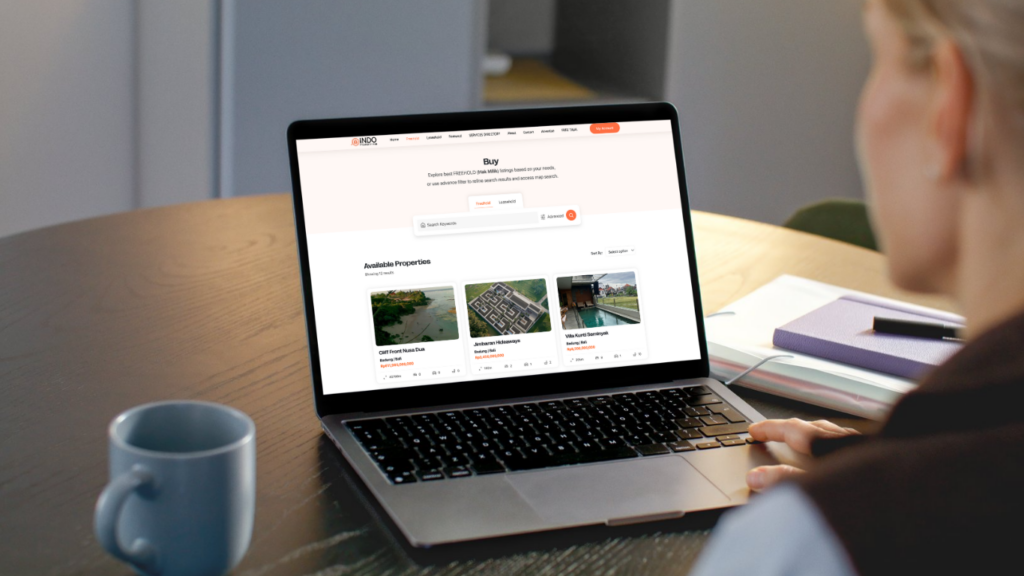
Conclusion: Is Investing in Bali Worth It?
Bali offers a rare mix of strong tourism demand, potential high Bali villa investment returns, and long-term Bali property price growth, with many market guides quoting gross yields of around 7–15% for well-performing villas in top areas.
At the same time, the pros and cons Bali property investment are real. It includes tourism cycles, legal complexity, management issues, and the risk of oversupply in some villa corridors.
For the right investor, Bali can still be a rewarding market. The key is to research carefully, choose the right location and ownership structure, run conservative numbers, and stay realistic about timelines and exits.
If you treat your Bali property investment like a business, not a fantasy, you’re more likely to protect your capital and capture upside.
If you’re considering Bali property for sale or a villa project but aren’t sure where to start, Indo Property Hub can help.
Share your budget, goals, and preferred areas with our team via WhatsApp or email, and we’ll connect you with vetted local agents and relevant villa investment Bali options tailored to your profile.
Use Indo Property Hub to explore:
through a secure, data-driven platform before you commit to any Bali deal.
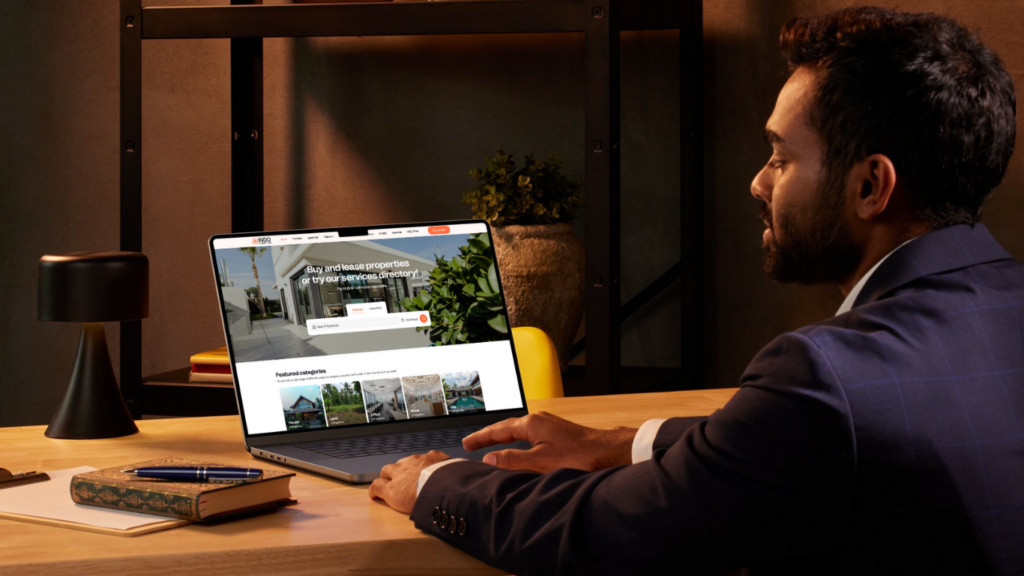
FAQ
Is Bali property investment still worth it in 2025?
It can be, if you pick the right area, structure, and team. Prime zones with strong tourism and infrastructure still show solid rental demand and appreciation potential, but you must factor in market volatility, legal rules, and management costs before you invest in Bali.
How much do I need to start a villa investment Bali?
Entry-level villas in less central areas can start from roughly USD 150,000–200,000, while popular zones like Canggu and Seminyak often range from USD 250,000–500,000+, depending on size and lease length. Always add legal, tax, and setup costs on top.
Which areas are best for Bali property investment?
Canggu, Seminyak, Berawa, Uluwatu, and Ubud remain key hubs due to tourism, cafés, and infrastructure, while emerging pockets like Pererenan or Nyanyi attract more speculative buyers. The “best” area depends on your budget, risk tolerance, and whether you prioritise cashflow, lifestyle, or long-term capital growth.
What kind of returns can I expect from Bali real estate for rent?
Market reports and agency data commonly quote 7–15% gross rental yield for well-located villas with strong management and branding, though net returns will be lower after costs. Results vary widely by location, product quality, and how well your Bali property management is handled.
How can IndoProperty Hub help me reduce risk?
IndoProperty Hub lets you compare Bali property for sale and rental-focused assets in one place, then connect with vetted local agents, legal advisors, and managers through a secure platform. That support makes it easier to choose the right area, structure your deal correctly, and avoid common Bali real estate market pitfalls before signing anything.

Should you live in Bali as a digital nomad in 2026? In 2024, Bali welcomed around 16.4 million visitors, both domestic and international. Yet deciding to live in Bali as a digital nomad is very different from coming for a two-week holiday
In 2024, Bali experienced a 40% increase in the number of digital nomads residing there. On estimation, over 3,000 digital nomads now live in Bali. This trend began in the 2010s, when high-speed internet began to reach smaller towns and suburbs in Bali. If you move your income and routine here, small details like living costs and internet speed become major risks.
That’s why this discussion matters now. Before you commit, you need clear expectations about cost of living in Bali, housing in Bali, internet speed Bali, Bali coworking spaces, and even how wellness retreats Bali and everyday Bali travel tips fit into your finances and mental health.
Making those decisions with real data creates a significant difference between a sustainable base and an expensive reset six months from now, especially once rent in Bali and long-term commitments lock you in.

#1 Understanding the Cost of Living in Bali as a Digital Nomad
The cost of living in Bali can feel very affordable or surprisingly high, depending on whether you live more like a local or stick to tourist-heavy choices. A simple, local-style lifestyle costs around $750 to $1,000 per month for basic accommodation, food, and transport.
Meanwhile, to afford a more immersive lifestyle with occasional leisure activities and dining out, you will most likely spend $1,500 to $2,000 in a month. A more luxurious lifestyle with frequent entertainment and high-end accommodation will cost you more, at least $3,000 per month.
However, this budget also flexes by area and season. Canggu/Seminyak and beachfront zones tend to cost more than Tabanan or more local neighborhoods, and prices can spike in peak season as owners and real estate agents in Bali adjust rates to demand.
Learn more about housing prices in our previous article.
On a basic budget, you might spend roughly:
- Rent in Bali (guesthouse/homestay room): USD 250–400
- Local meals (warungs): USD 150–250
- Scooter + fuel: USD 60–100
- SIM, Wi-Fi, laundry, essentials: USD 50–80
- Occasional yoga, drinks, or events: from USD 100+
- Coworking passes, gyms, and weekend getaways sit on top of this.
For a mid-range lifestyle:
- Long-term rental Bali private apartment, simple villa, or co-living: USD 500–1,000 (often incl. internet)
- Dining out (local + Western): USD 300–500
- Transport: USD 60–100
- Gym/yoga: USD 100–200
- Social life, shopping, weekend trips: from USD 300+
For a premium lifestyle (roughly USD 2,500–6,000+), expect a designer villa for housing in Bali with pool and staff (USD 1,500–4,000+), international restaurants and bars, premium transport, spa, parties, and regional weekend trips.
Across all tiers, prime areas like Canggu, Seminyak, Uluwatu, and central Ubud sit at the higher end of the cost of living in Bali. Meanwhile, more local areas offer more value, especially outside peak tourist seasons.

#2 Bali coworking spaces and Internet Speed Bali for digital nomads
For anyone who wants to live in Bali as a digital nomad, internet speed is not a “nice to have,” it’s your lifeline. Your income depends on stable Zoom calls, syncing files to the cloud, and uploading content.
As of November 2024, Indonesia’s average download speed for fixed broadband is 32.05 Mbps, while the upload speed is 19.87 Mbps. Meanwhile, for mobile internet, the download speed is 29.06 Mbps, and the upload speed is approximately 14 Mbps. The internet speed Bali is workable, among the highest in Southeast Asia.
At housing in Bali, Wi-Fi quality depends heavily on the provider and building. Villas and guesthouses can vary, ranging from 3 Mbps to 50 Mbps, so you should always test speeds before renting in Bali or signing any long-stay deal with owners or real estate agents Bali.
Most digital nomads will choose a cafe and a coworking space to work daily. Day passes range from USD 9-18 (IDR 150,000–300,000) while monthly memberships cost USD 150-240 (IDR 2.5–4 million).
The 5 best Bali coworking spaces for digital nomads include:
- Genesis Creative Centre
- ZIN@Work
- Tribal Bali Coworking Hostel
- Outpost Coworking Space
- Puco Rooftop
For day-to-day resilience, get a local SIM with a generous data plan and use it as a hotspot whenever Wi-Fi or power drops. We recommend you choose Telkomsel, since it offers a top-quality internet speed Bali and a choice between data only and calls and data packages.
As a cheaper alternative, we also recommend XL Axiata, especially if you live in Badung and Denpasar. However, if you live in Ubud, we won’t recommend you to use this provider since its coverage in this area is still patchy.
Overall, the most reliable internet is usually found in established hubs, including Canggu, Berawa, Pererenan, parts of Seminyak, and central Ubud. These areas also sit at the higher end of the Bali property market.
Remember, always confirm provider, recent speed tests, and backup options before committing to long-term housing!
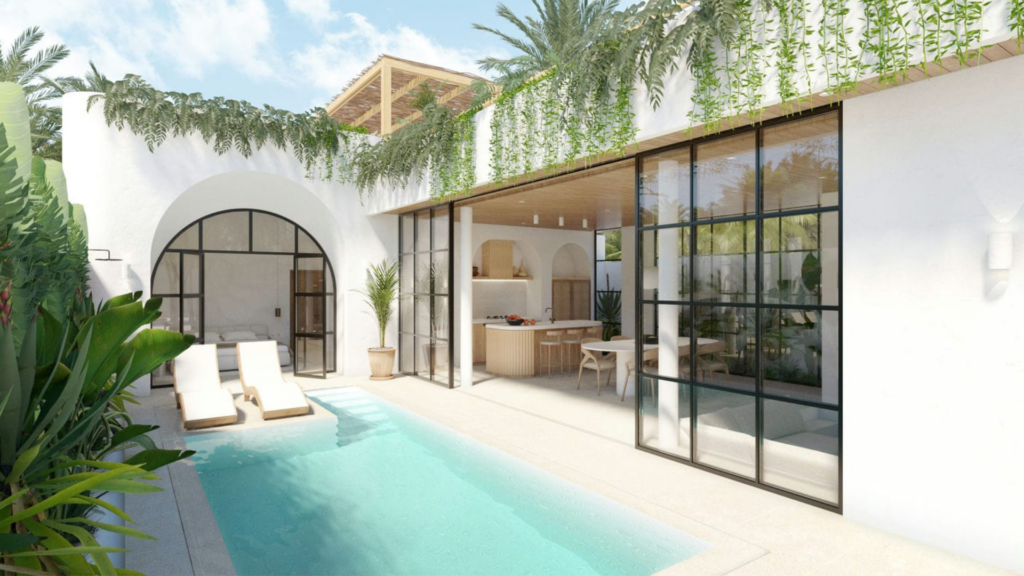
#3 Housing in Bali: Where to Stay and How to Rent in Bali Long-Term as a Digital Nomad?
As a digital nomad, you’ll find several types of housing in Bali:
- Kost or flat, or guesthouse rooms,
- Studio apartments,
- Modern coliving spaces, and
- Private villas with shared or fully private facilities for long-term rental Bali.
Monthly rents can start from around USD 250–400 for a simple room and go into USD 1,000+ for mid-range villas in popular areas
Learn more about housing prices in our previous article.
Your choice depends on budget, privacy, and work style.
Need quiet and your own office corner? A studio or private villa works better.
Want a social environment and plug-and-play setup? Coliving spaces near Bali coworking spaces can be ideal.
Location then shapes your lifestyle and cost. For instance, Canggu offers surf and cafés, Seminyak brings shopping and nightlife, and Ubud focuses on nature and wellness
To avoid guesswork and random listings, use a trusted online platform like IndoProperty Hub to compare vetted options, check what’s included, find a home with the best prices, and connect with reliable owners or real estate agents Bali through a simple interface.
Always confirm Wi-Fi quality, distance to coworking spaces, and contract and deposit terms on the platform before paying anything upfront.
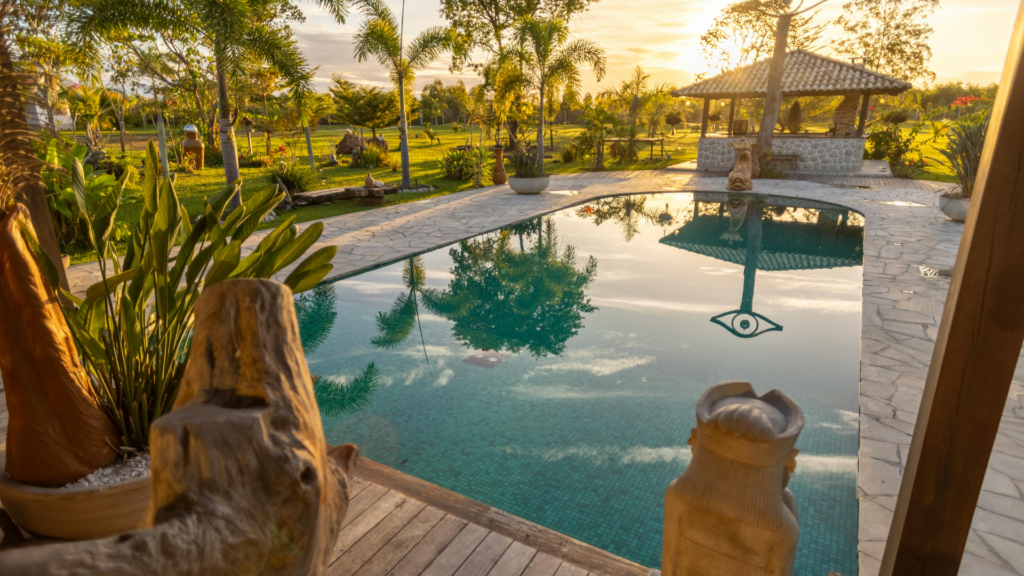
#4 Exploring Wellness Retreats Bali
For many people who live in Bali as a digital nomad, wellness retreats are one of the island’s biggest perks. Long hours on laptops can easily lead to burnout, and Bali’s retreat culture offers a structured way to reset, heal, and build healthier routines.
The global wellness tourism market itself reached USD 954.11 billion in 2024 and is projected to reach over USD 1.68 trillion by 2030, showing how quickly this segment is growing.
You’ll find wellness retreats Bali built around yoga, meditation, detox programs, breathwork, ice baths, and surf-and-wellness packages aimed at remote workers from around the world.
In Bali, Ubud is known for the jungle, rice fields, and spirituality. Canggu blends modern studios and cafés near the beach. Uluwatu adds dramatic cliffs and ocean views, each area with retreat options at different price points, from simple eco-stays to premium resorts
For digital nomads, a well-timed retreat can reduce stress, improve sleep and focus, and create deeper friendships than quick chats in coworking kitchens.
If you plan to join regularly, it’s worth renting in Bali near your preferred wellness hub, and using platforms like IndoProperty Hub to find housing in Bali that keeps you close to studios, retreat centres, and nature while still connected to the main Bali property market zones.

#5 Transport & Rent Scooter Bali: Bali Travel Tips for Digital Nomads
Before you live in Bali as a digital nomad, make sure your visa and insurance are in order. Overstays are fined at approximately USD 60-70 (IDR 1,000,000) per day, and immigration takes status seriously.
Long-stayers usually combine tourist visas, social/cultural visas, or long-stay options arranged through licensed agents.
Good travel or international health insurance is essential in Bali. Top health risks include Bali motorbike accidents, surfing or diving injuries, dengue, and food allergies.
As hospital care for accidents or dengue can quickly become expensive, invest around USD 60 per month in health insurance. Some healthcare insurance recommended in Bali are Genki and SafetyWing.
On the ground, daily life is simple if you set things up early.
- Cash is still widely used, but ATMs are easy to find in main areas. Cards work in most cafés and coworking spaces.
- Get a local SIM (Telkomsel, XL, Indosat) with a generous data plan for maps, ride-hailing, and hotspot backup.
- Download ride-hailing apps like Gojek and Grab for easier mobility if you don’t rent scooter Bali
Always wear a helmet, drive slowly, and avoid riding if you’re not confident. Choosing a walkable, central location when renting in Bali can reduce risk and commuting time.
Culturally, small gestures go a long way. Dress modestly in temples, don’t disturb ceremonies, keep late-night noise down in local neighborhoods, and learn simple Bahasa Indonesia phrases like “terima kasih” (thank you) and “permisi” (excuse me).

#6 Building a Community Through Online Networking, Bali Coworking Spaces, and Other Offline Meetups
When you live in Bali as a digital nomad, community is not a bonus. It’s your support system.
Fully remote workers report a higher level of loneliness (25%) than office workers, creating devastating effects on physical and mental health. Having people to share knowledge, surf days, and visa questions with makes it easier to feel at home.
Start with environments built for connection:
- Bali coworking spaces,
- Expats communities in Bali
- Skill-share meetups,
- Language exchanges, and
- Sports groups like surf, padel, or yoga.
Many Bali coworking spaces in Canggu, Ubud, and Seminyak host weekly events, talks, or community dinners aimed at nomads and local entrepreneurs.
Online, Facebook groups, Meetup, and WhatsApp/Telegram chats help you find events, housing leads when renting in Bali, and niche communities (founders, creators, developers). Coworking event calendars are also useful to plan your week around talks and socials.
Some networking events are also listed through Facebook Groups, such as:
The key is to show up consistently. Ask questions, offer your skills, volunteer to help, or even host a small dinner or coworking session at your villa. That’s how casual introductions turn into long-term friendships and a network you can rely on, both personally and professionally.
Is It Right to Live in Bali as a Digital Nomad in 2026?
Deciding to live in Bali as a digital nomad is a big move, not just a change of scenery.
Understanding the cost of living, realistic internet options, the main types of housing in Bali, wellness opportunities, everyday Bali travel tips, and how to build community gives you a clear picture of what life here actually feels like long-term.
With that clarity, Bali can become a sustainable, enjoyable base instead of an impulsive holiday extension. When you plan your budget, test Wi-Fi, choose areas that fit your work style, use wellness retreats to manage stress, and invest time in community, you reduce risk and protect both your income and wellbeing.
Start Your Bali Digital Nomad Life the Safe Way
If you’re serious about making Bali your base, don’t leave housing in Bali and long-term rent in Bali to guesswork or random Facebook posts. The right home is what makes it sustainable to live in Bali as a digital nomad, not just fun for a month.
With IndoProperty Hub, you can find safe, verified long-term rentals matched to your budget and area, compare options on a secure online platform, and connect with vetted local agents and service providers.
You also get transparent data on prices, offers, and property details, so you stay in control of every decision. The best part is, it’s FREE OF CHARGE!
Through Indo Property Hub, renting in Bali becomes safer, easier, and less stressful from the first search to the day you move in.
Start planning your move today: browse trusted listings or request a FREE consultation via IndoProperty Hub.
Frequently Asked Questions (FAQ)
Is Bali good for digital nomads in 2026?
Yes, Bali is still one of the most popular places to live in Bali as a digital nomad, with strong expat communities, cafés, and Bali coworking spaces in areas like Canggu, Ubud, and Seminyak.
How much does it cost to live in Bali as a digital nomad?
The cost of living in Bali depends on lifestyle, ranging from USD 750 to USD 6000 per month. You can live simply on a local-style budget or spend more for a premium lifestyle with private villas, gyms, retreats, and frequent travel.
Which areas are best for digital nomads?
Canggu, Berawa, Pererenan, Ubud, and parts of Seminyak are favourites thanks to coworking spaces, good cafés, and walkable neighbourhoods. Don’t forget to rent scooter Bali for easier mobility.
What visa options are available?
Most people who live in Bali as a digital nomad combine tourist visas, social/cultural visas, or long-stay options arranged through licensed agents. Always confirm with an official or visa consultant.
Do I need insurance to live in Bali as a digital nomad?
Yes. Health and travel insurance are strongly recommended to cover accidents, illness, and motorbike-related risks while you rent in Bali long-term.

The Current Bali Real Estate Market
Bali is popular as an “escape” destination, but it’s not always easy to sell property in Bali. Owners now compete with thousands of online listings, changing regulations, and increasingly savvy local and foreign buyers who compare every option before they act.
Bali recorded 4.8 million international tourist arrivals in August 2025, growing 12.4% from 2024.
This recovery supports steady demand from digital nomads and lifestyle seekers, especially in hotspots like Canggu, Seminyak, Uluwatu, and Ubud, where Bali property investment activity remains high
As a result, buyers actively search for Bali villa sale, luxury villas in Bali, and Bali land for sale. However, they also expect clear legal status, realistic ROI, and professional presentation.
Therefore, this article will reveal 4 practical secrets to position, market, and price your property so you can confidently sell property in Bali at the best possible value.
Secrets to a Successful Sale
Secret #1: Understanding Buyer Demographics
To successfully sell property in Bali, you first need to know who is actually buying. The Bali property market is driven by four main groups:
- Local Indonesian buyers,
- Foreign investors,
- Expats, and
- Lifestyle buyers seeking luxury villas in Bali for part-time living plus rental income.
Local Indonesian buyers often focus on long-term value and resale. They care about land certificates, zoning, and future price growth.
Foreign investors and expats usually compare Bali to other “lifestyle + income” destinations and look closely at rental history, yields, and management quality when deciding between buying and renting in Bali long term
Therefore, demand in popular areas is strong, with average occupancy rates of 80%. Even reaching 85-90% in prime locations like Canggu, Seminyak, Uluwatu, and Ubud.
These 4 areas continue to attract international buyers and digital nomads, with tourism and remote work trends supporting ongoing interest in Bali property market investments. That means investors want clear ROI numbers, such as Seminyak and Canggu, that have proven to bring 10–14% net rental income.
Your listing should speak directly to the most likely buyer segment.
- For investors: highlight occupancy, nightly rates, and projected ROI.
- For lifestyle buyers: focus on design, neighbourhood, and daily convenience.
- For local buyers: emphasise title status, access, and long-term value.
Experienced real estate agents Bali already know which channels and buyer networks fit your property type. Working with the right professionals helps you position and present your asset so you can sell property in Bali faster and more confidently.
Secret #2: Legal Considerations for Sellers
When you sell property in Bali, the legal structure is just as important as the villa or land itself. In the Bali property market, you’ll usually deal with:
- Freehold (Hak Milik) for Indonesian citizens (foreigners cannot directly own Hak Milik, so nominee arrangements carry real legal and enforcement risks)
- Leasehold (Hak Sewa) for fixed periods (typically 25-30 years) with a renewal option
- Right to Build (Hak Guna Bangunan), primarily for foreign-owned companies.
Serious buyers expect complete, up-to-date documents. At a minimum, you should prepare:
- Land certificate (SHM/HGB) and site plan
- IMB or PBG building permit and drawings
- Zoning confirmation (residential/tourism)
- Tax records (PBB and any rental or capital gains history)
- Valid lease or rental contracts if the property is income-producing
When these are missing, buyers quickly move on to other Bali villa sale or Bali land for sale options. Unclear boundaries, unregistered extensions, informal “nominee” agreements, or rental deals that are only verbal raise red flags.
These issues can block financing, delay due diligence, or even kill the transaction, especially for buyers comparing with safer options or considering just renting in Bali instead.
To avoid this, work with a trusted notary or experienced real estate agents Bali who understands current regulations and local practice. Notary fees in Bali are generally 1% to 2.5% of the property’s value, while property agents’ fees range from 2% to 5% of the final sale price.
Cleaning up the paperwork before you list helps you negotiate from a position of strength and ensures a smoother, compliant sale process.
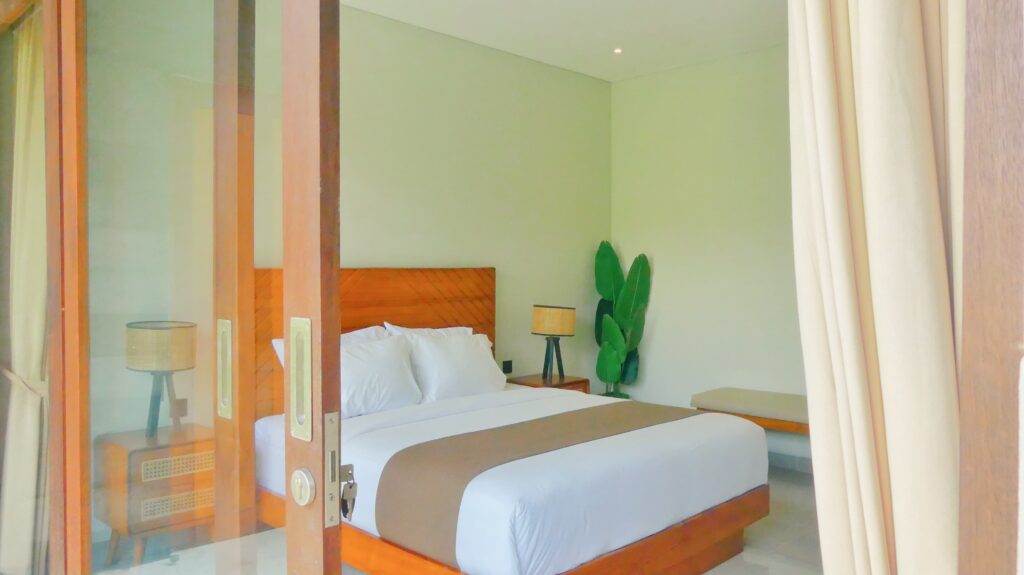
Secret #3: Marketing Tactics for Luxury Villas
In today’s Bali property market, even a beautiful villa won’t sell itself. Areas like Canggu, Seminyak, and Uluwatu are packed with competing listings, so strong, professional marketing is essential for any Bali villa sale or high-end listing among luxury villas in Bali.
Renting in Bali data shows how crowded the online space has become. In 2025, off-plan properties account for 37% of all listings within Bali, an increase 180% from 2024. Rental occupancy also rose by 2.3% from 2024 to 2025. This demand is positive, but it also means buyers and investors can be very selective.
Your visuals must do the heavy lifting. Invest in:
- Professional, well-lit photography (day, night, and detail shots)
- Short lifestyle videos and drone footage
- Virtual tours that show flow, views, and work-from-home spaces
Then, distribute that content across multiple channels:
- Major property portals, like Indo Property Hub and expat forums
- Social media campaigns and remarketing ads
- Email databases and reputable real estate agents Bali who already work with investor and lifestyle clients
Finally, track performance like a marketer, not just an owner. Monitor inquiries, viewing numbers, and feedback. If you see interest but no offers, adjust your visuals, listing title, and description before considering a price cut.
Secret #4: Pricing Strategies for Bali Villas
In the Bali property market, pricing can make or break your sale. Overpricing often leads to a stale listing or more “just looking” inquiries. Smart, data-backed pricing, on the other hand, attracts serious offers faster and gives you more control in negotiations.
Start by comparing your property with similar Bali villa sale and Bali land for sale listings in the same neighbourhood. Look at land size, building size, age, view, access, and ownership type.
On average, villa prices start from $200,000 for smaller properties, while apartment prices can range from $100,000 to $500,000 or more. Those prices depend on size and location.
Seminyak has become a premium location due to its proximity to beach clubs and restaurants. As a premium location, the price for a three-bedroom mansion is approximately $500,000, while luxury villas range from $900,000 to $3,000,000.
Canggu is also popular among entrepreneurs and digital nomads. The popularity set the price of a two-bedroom villa above $248,000, while a three-bedroom villa with a pool (500m²) is approximately $840,000.
Buyers who prioritize wellness and cultural amenities tend to choose Ubud. Properties in this area offer rice field views, setting the price for a three-bedroom villa at approximately $250,000.
For ocean views and luxury developments, buyers most likely pick Uluwatu. Villa prices in Uluwatu range from $277,000 to $770,000, whereas clifftop properties command premium prices.
These benchmark helps justify your price and show how your villa compares to other options for renting in Bali
Finally, build in a reasonable negotiation margin, but know your minimum acceptable price before you list. Discuss strategy with experienced real estate agents Bali so you enter the market confidently, protect your bottom line, and still stay attractive to qualified buyers.

Bali Property Investment Insights
The Bali property market continues to attract investors who want both lifestyle and income. Demand is strong for freehold and leasehold properties, especially in areas like Canggu, Seminyak, Uluwatu, and Ubud, where tourism and remote work trends keep occupancy healthy.
Property investment in Bali delivers strong capital growth. Presale property prices will rise by 10–20% per year during construction and rocket to 30–50% by completion. It will even peak after delivery, growing steadily at 5–10% annually.
To stand out among potential investors, treat your villa as a clear, well-documented Bali property investment, not just a beautiful home. Buyers feel more confident when they see proper land/building permits, a clean title, and a track record of rental income.
Clear financials can significantly shorten decision time. Prepare realistic ROI projections that include:
- Past annual revenue and occupancy
- Operating costs (staff, utilities, management, platforms)
- Net income and payback period
Turn this into a simple “investment snapshot” you can share with qualified buyers or their real estate agents Bali. When the numbers, documents, and story line up, investors can move faster, putting you in a stronger position to defend your asking price.
Ready to Sell Your Bali Property Faster?
When you understand who your buyers are, fix legal issues early, market your villa professionally, price based on real data, and present a clear Bali property investment story, selling becomes more predictable and less stressful. These five secrets work together to help you sell property in Bali with confidence.
For buyers and tenants, the same principles create a safer, easier experience when deciding between buying or renting in Bali. Clear documents, transparent numbers, and realistic pricing reduce confusion, speed up decisions, and lower the risk of unpleasant surprises later.
IndoProperty Hub is here to support that process. We provide:
- A free consultation to understand your goals
- Access to vetted local agents and service providers
- A secure online platform to compare options and communicate
- Transparent data on offers, fees, and charges so you stay in control
We offer you up to one month of free ads for your listing on our website! Just register, list your property, and our team can help you set up and optimise your ad directly.